How Communities Are Responding to SNAP Cuts, Inflation, and Food Insecurity
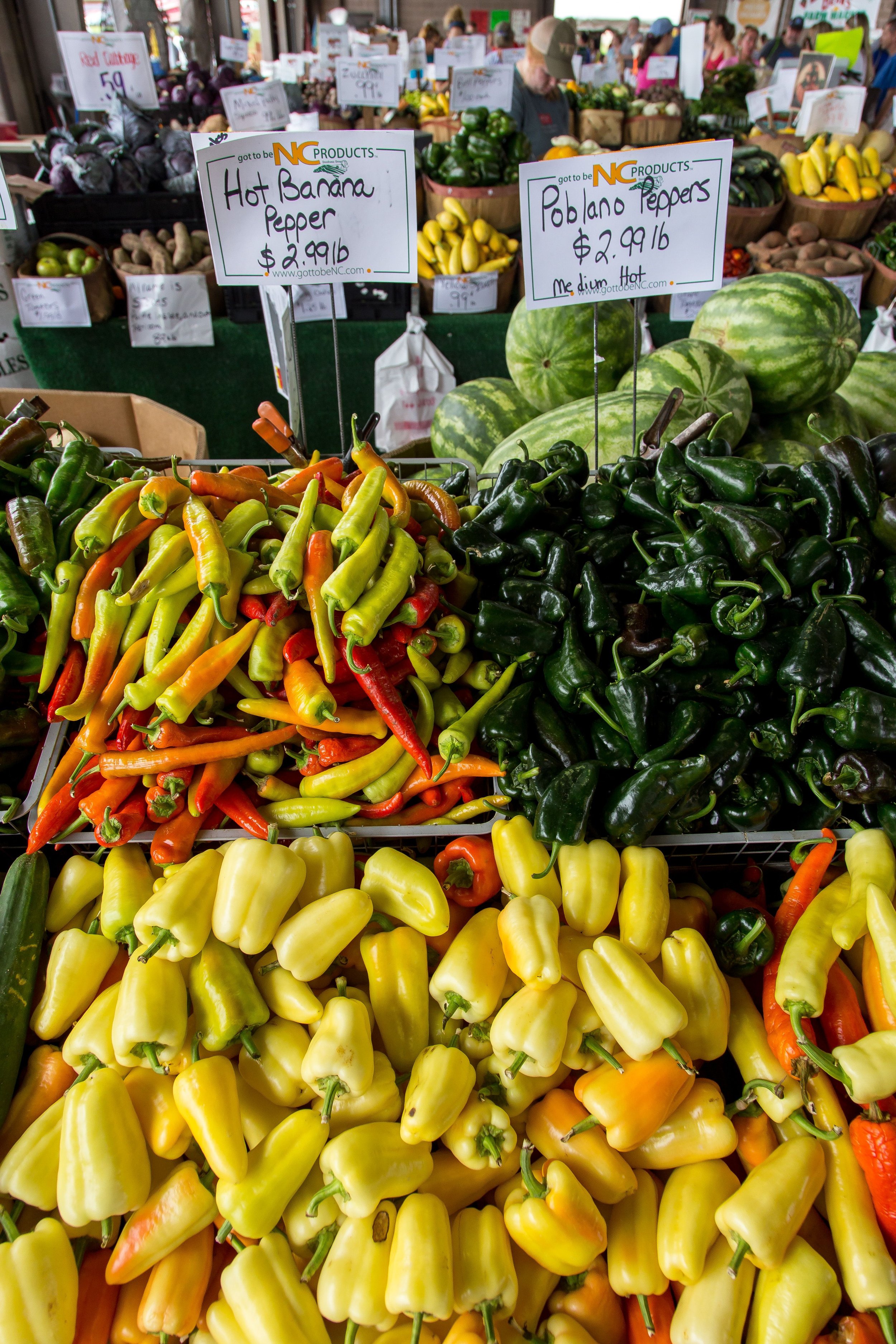
At the tail end of 2025, millions of Americans were suddenly facing greater uncertainty than ever before about how they would be able afford groceries for themselves and their families.
Temporary disruptions to SNAP benefit payments during the Thanksgiving holiday, combined with broader federal cuts to the program, left many households struggling to put food on the table and placed even greater pressure on food banks and nonprofit hunger relief organizations.
As a result of these new requirements, more than 3 million participants (4 out of 10 of which are children) across the country are no longer eligible for SNAP assistance.
This unprecedented event coincided with record inflation at grocery stores that has continued into 2026, with many staples increasing in price by a significant amount. According to the USDA’s consumer price index (CPI), these food items have been most affected by this rise in price:
Beef and veal prices were up 14.8%
Fresh vegetables were up 11.5%
Nonalcoholic beverages were up 5.1%
Sugar and sweets were up 6.3%
Fresh fruit prices were up 2.1%
Pork prices were up 2.3%
Poultry prices were up 0.5%
Overall, food prices were 3.2% higher in April 2026 than in April 2025.
The combination of high prices and increased difficulty in accessing assistance has put a significant economic strain on millions of families and individuals in nearly every state.
Additionally, many parts of the United States still struggle with food access to begin with - food deserts, food swamps, and even geographic issues (like distance) all make it increasingly difficult for Americans to consistently access affordable, nutritious food.
Non-profits Facing Increase in Need, but Difficulties with Funding

As a result of these coinciding events, non-profit organizations that provide food support have seen a drastic increase in need for their services. In California, for example, the Stockton Emergency Food Bank saw a nearly 40% increase in demand for assistance in November 2025.
Other organizations, like Martha’s Kitchen in San Jose, have seen similar increases well into this year and are worried for their capacity to be able to support this increased need.
Non-profit organizations tend to be heavily relied on during times of widespread economic strain, as they provide an easy way to obtain food or assistance without excessive paperwork, forms to sign, or hurdles to qualify for aid. At the same time, these organizations have a limited number of resources and cannot adequately address all immediate hunger needs in their local communities. Many non-profits have faced extreme difficulty in obtaining funding in the current political landscape, which further limits the impact they’re able to make.
According to reporting by the National Council of Nonprofits, “73% of nonprofits surveyed report increased demand for their services, creating an existential crisis for nonprofits with implications for communities that depend on them”.
Alternative Solutions and Hopes for the Future
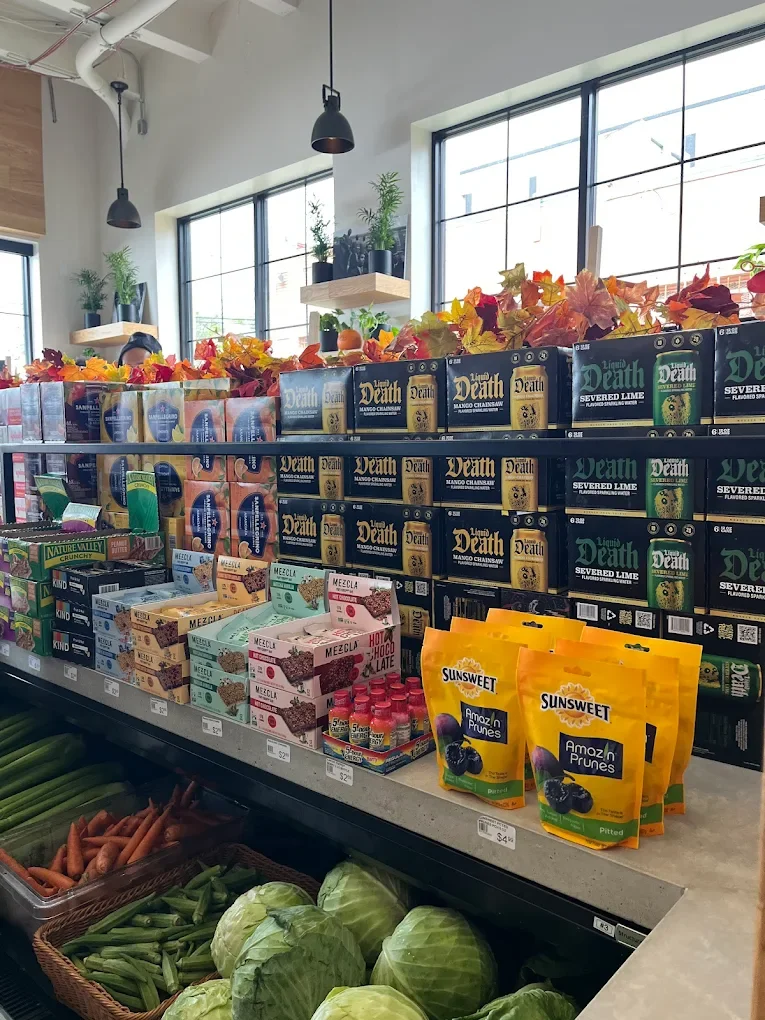
Fortunately, communities across the country are already developing creative solutions to improve food access and affordability.
In California, one of the most significant legislative efforts has been SB 1383, which requires certain commercial food-generating businesses to establish partnerships with food recovery organizations (FROs) or food recovery services (FRSs) to donate their edible surplus food to community organizations instead of sending it to landfills - where that waste would otherwise break down into harmful climate pollutants.
While California narrowly missed some of the law's ambitious initial implementation targets, SB 1383 has still led to a significant increase in edible food recovery and strengthened the state's food rescue infrastructure as a whole.
Other states have also begun exploring innovative ways to bridge gaps in food access. In Michigan, a new model of food banking known as “Food Clubs” has shown promising results. Rather than operating as traditional food pantries, Food Clubs provide members with a grocery store-style shopping experience. Participants pay a modest monthly membership fee, typically between $12 and $18, and can shop for fresh food using a monthly point allocation.
According to Lura Barber, Founding Executive Director of Food Club Network, nearly a decade of data has shown that this model improves participant outcomes by increasing choice, dignity, and consistent access to nutritious food.
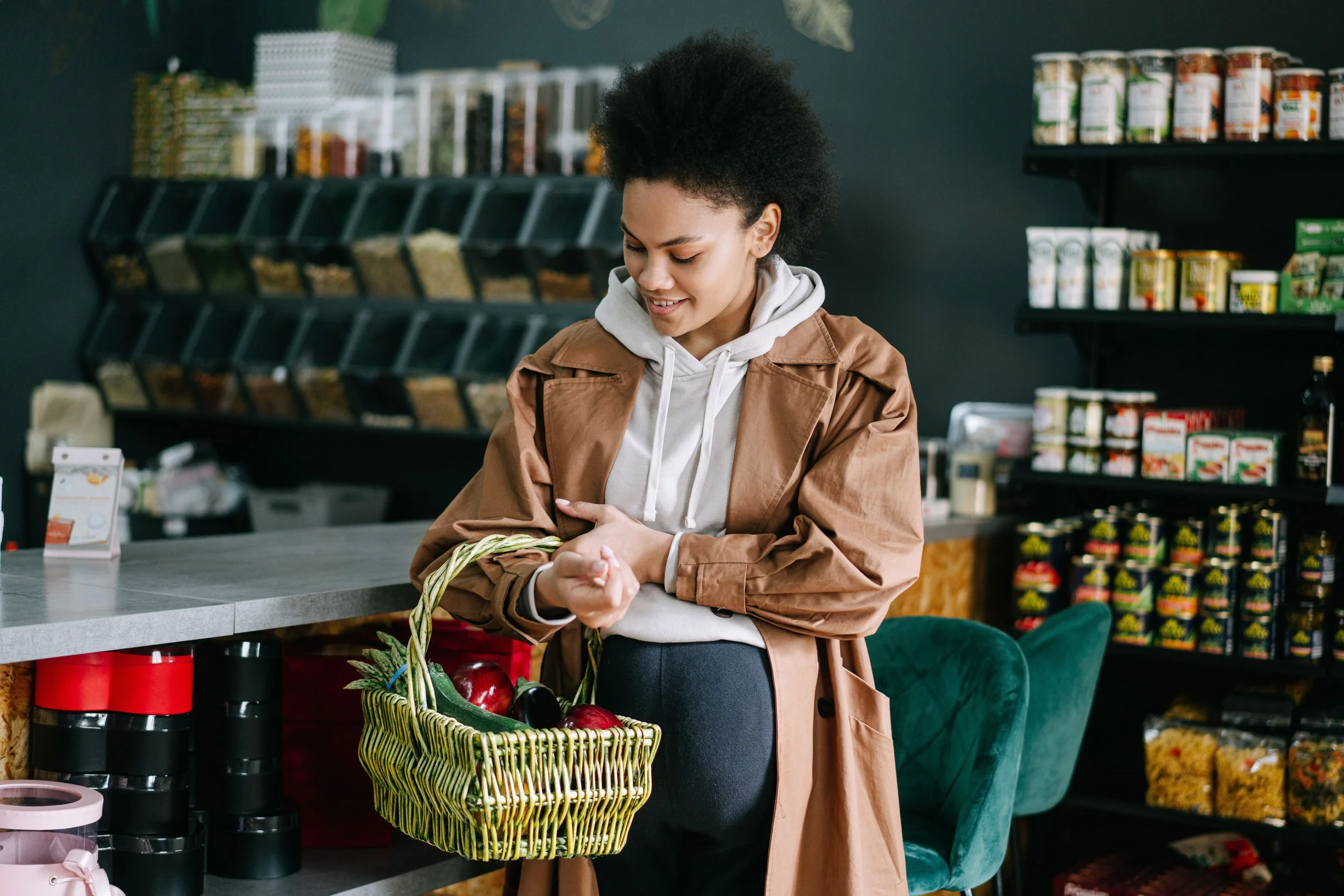
In Washington, D.C., the “Marion Barry Avenue Market & Cafe” was created by grassroots food justice advocates seeking to address systemic barriers to healthy food access. The market was intentionally designed as a "hyper-local, vertically integrated food ecosystem," combining a neighborhood grocery store with a café serving healthy prepared meals. Located in Ward 8, a community of more than 70,000 residents historically served by only two full-service grocery stores, the market functions not only as a source of fresh food but also as a community gathering space and an investment in long-term neighborhood resilience.
While Michigan's Food Clubs and Washington, D.C.'s Marion Barry Avenue Market take very different approaches, they share a common goal: making fresh, nutritious food more accessible while giving people greater choice in how they obtain it.
As reductions to federal nutrition programs like SNAP and WIC place additional strain on households, community-driven solutions like these can help fill critical gaps, strengthen local food systems, and provide models that other communities can adapt to meet their own needs.
Food access and food insecurity will continue to be critical topics as inflation continues to rise and federal assistance programs become stricter. As communities continue to step up and fill these gaps, we’re hopeful that more legislative support will also be proposed. Some states, like New Jersey, have made strides here as well - NJ lawmakers recently passed S2464/A2090, which requires every solid waste management district to develop a strategy to cut food waste by 50% by 2035. The law also recognizes increased donations of edible surplus food as a key strategy for achieving that goal, reinforcing the idea that feeding people should come before sending food to landfills.
The rise of these solutions across the country underscores that food access and food insecurity require an “all-hands-on-deck” approach. There is no single fix, but a patchwork of efforts: policy, community programs, and food recovery systems - all working together to reduce harm and expand access where it’s needed most.