Community Spotlight: Grey Bears in Santa Cruz
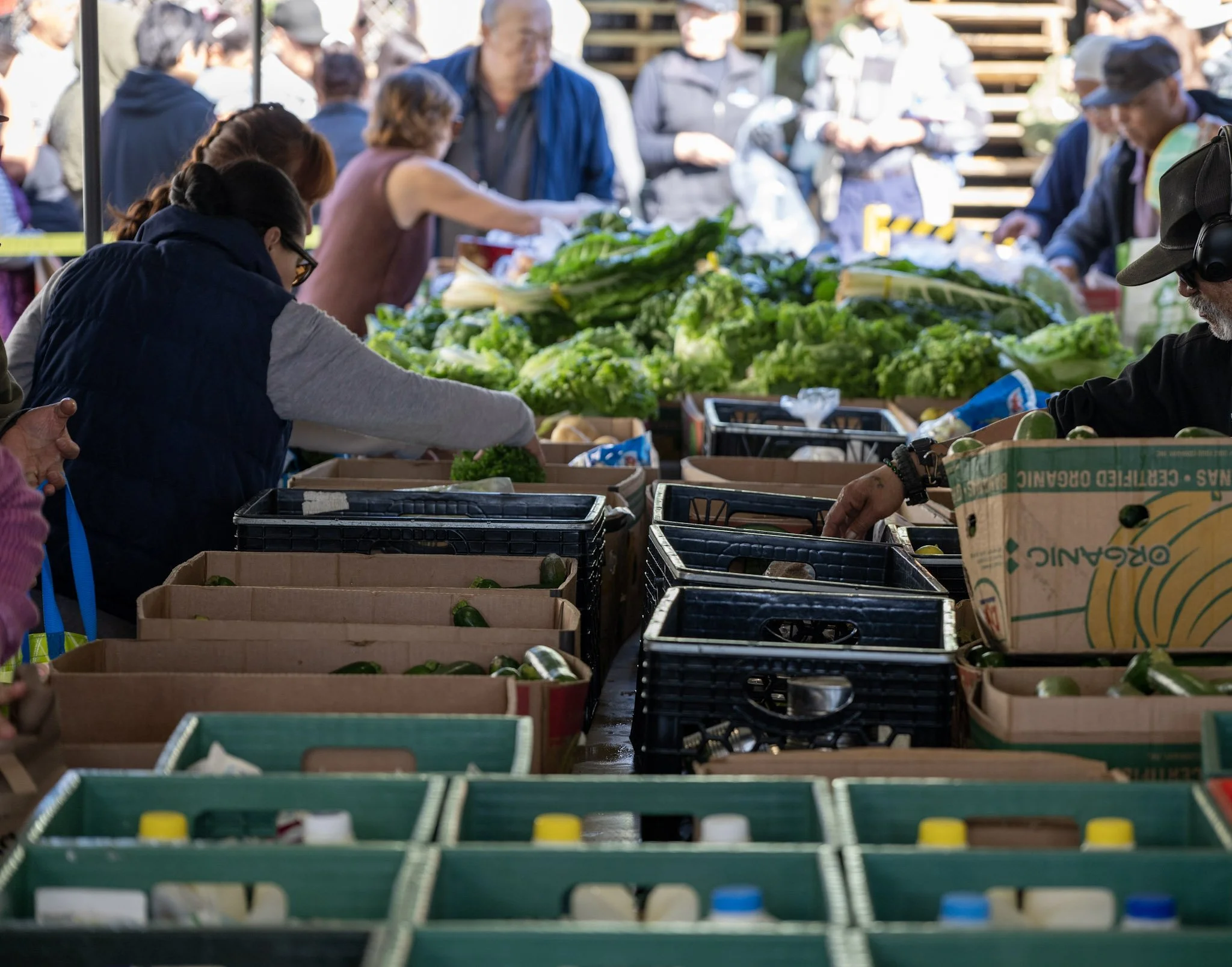
For more than five decades, Grey Bears has been a cornerstone of food recovery and senior support in Santa Cruz County.
What began as a student-led gleaning project in 1973 has evolved into a countywide operation that rescues food from grocery stores, distributes nutritious groceries to thousands of older adults, and diverts millions of pounds of organic material from local landfills each year.
Today, Grey Bears serves communities throughout Santa Cruz County through an extensive network of volunteers, food donors, and community partners. Their work demonstrates how food recovery can address food insecurity and environmental sustainability while also strengthening social connections among older adults.
We met with two members of the Grey Bears team, Danielle Wong and Kayla Traber, to learn about their history, daily operations, impact, and outlook on the future of food recovery.
From Student Project to County-wide mission: Grey Bears’ Origin story
Grey Bears was initially founded in 1973 by Kristina Mailliard, an alumnus of the University of California, Santa Cruz, and her partner Gary Denny. Their original model mainly focused on gleaning surplus produce from local agricultural fields and redistributing that food to seniors in the community.
As the program developed, many of the seniors receiving food expressed interest in participating in the gleaning efforts themselves. That involvement helped shape one of the organization's defining values: seniors helping seniors.
Over the years, Grey Bears has expanded beyond agricultural gleaning and into food recovery from various grocery stores and other local food generators.
Today, the organization partners with more than 25 grocery stores and businesses throughout Santa Cruz County. What began as a simple project in the fields has evolved into a robust food recovery network that redirects surplus food directly back to community members. Grey Bears also supplements their organization’s income by running a thrift store that they operate internally!
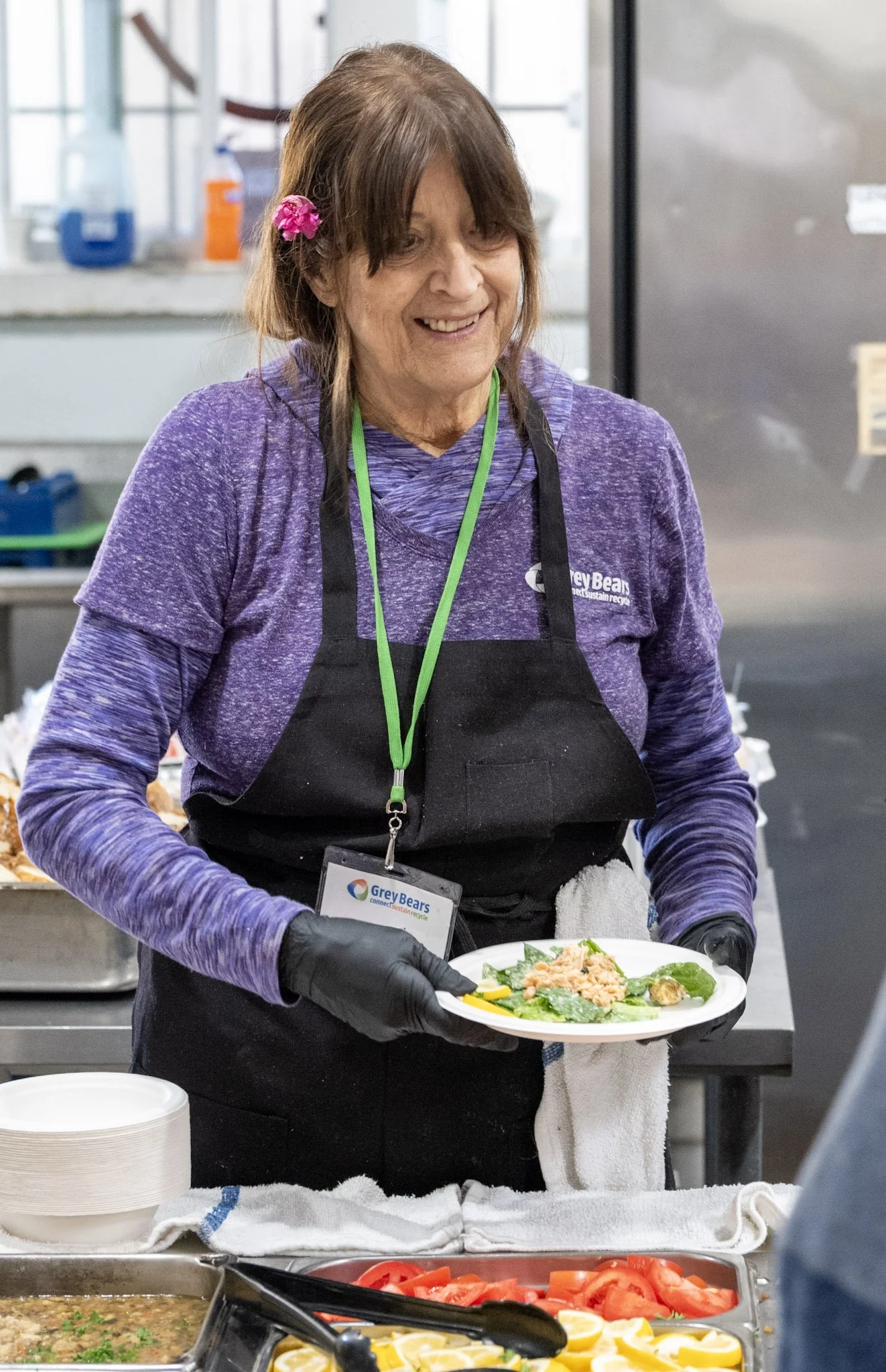
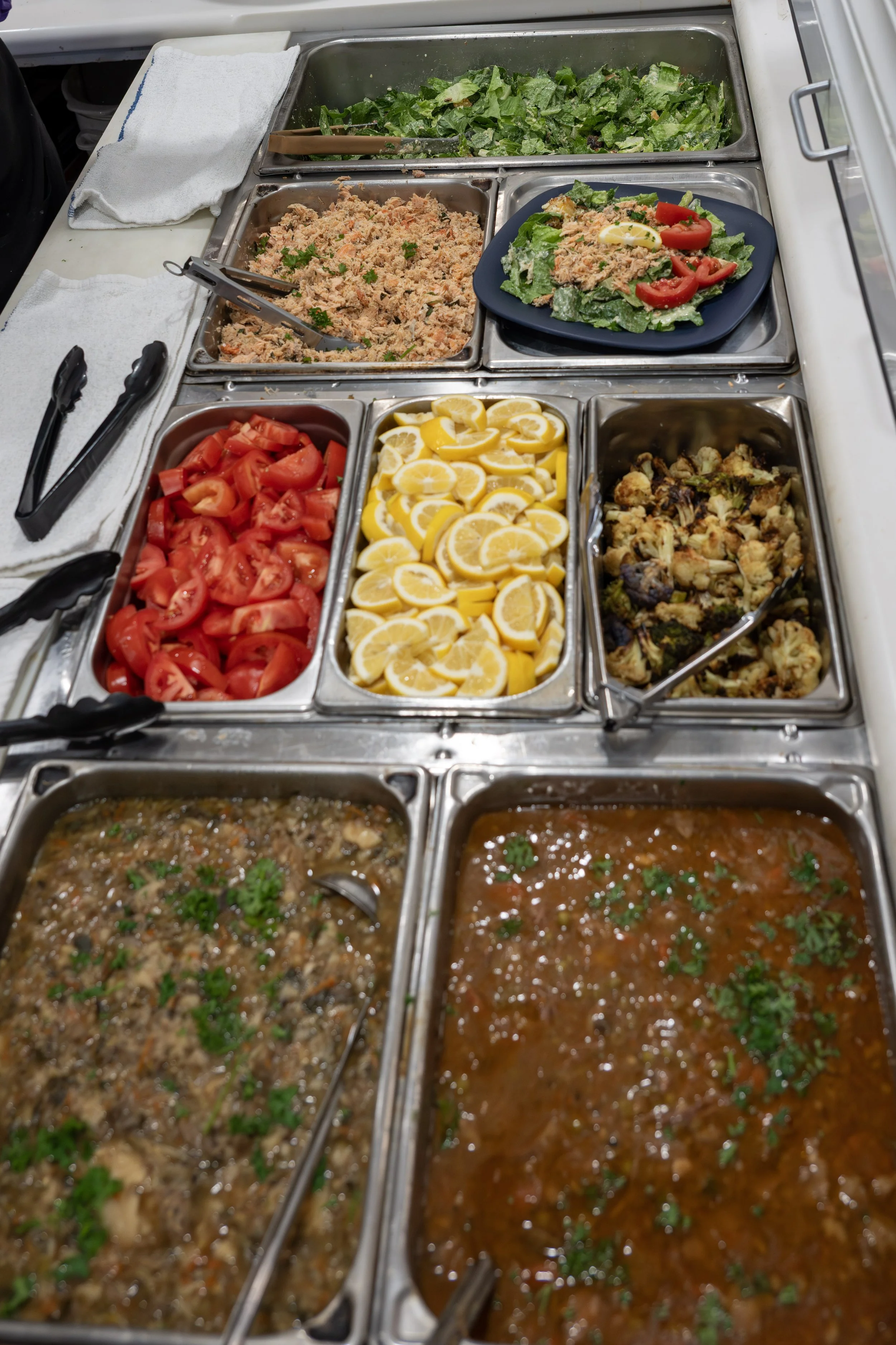
One of Grey Bears' largest programs is its grocery bag program for adults ages 55 and older - this essential program currently serves approximately 4,000 participants! Through partnerships with local food donors, including farms such as Lakeside Organics, Grey Bears helps provide food to an estimated 200–300 people every weekday.
Areas Served
Grey Bears serves the entirety of Santa Cruz County. Their food recovery efforts extend throughout nearby communities including Scotts Valley, Aptos, and Corralitos, among many others.
Currently, they operate across 42 locations throughout the county and coordinate approximately 70 food recovery and distribution routes. As such, they’re able to serve residents across a diverse geographic area with their grocery rescue and senior food bag programs.
Impact Metrics
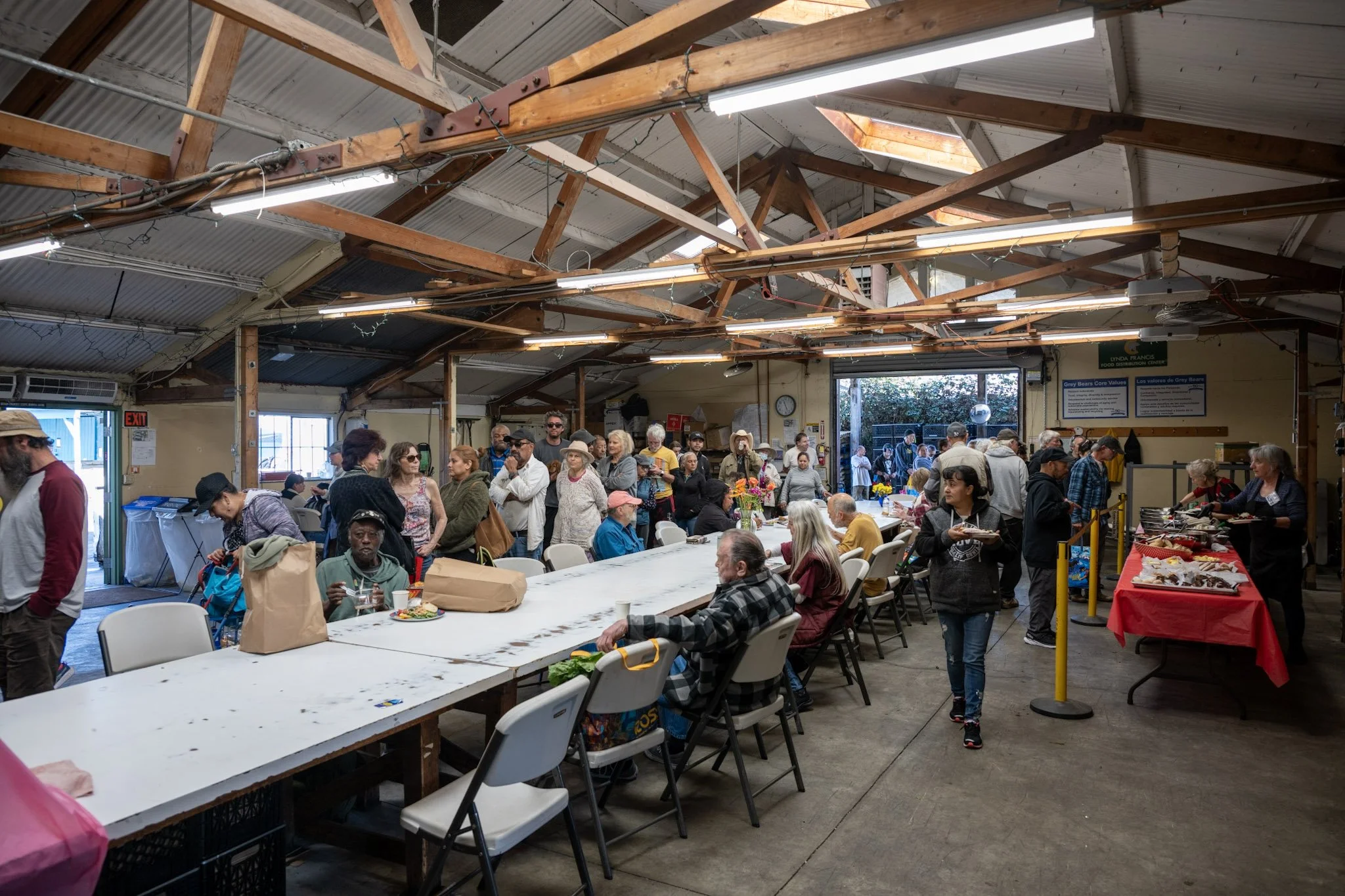
According to Danielle Wong, Healthy Food Program Director at Grey Bears, last calendar year, the org distributed approximately 195,000 grocery bags and recovered more than 1.3 million pounds of food. In total, they diverted approximately 1.6 million pounds of material from local landfills.
Danielle also notes that Grey Bears’ impact extends beyond food distribution. They also measure outcomes related to health and community well-being. According to participant surveys:
79% reported improvements in healthy eating habits.
94% reported a stronger sense of community and social connectedness.
These outcomes highlight that food recovery can often be about far more than just reducing waste, it’s also about improving participants’ quality of life and strengthening community connections!
Significant Challenges in Scaling Food Recovery Efforts
Danielle notes that one of the biggest challenges Grey Bears is seeing is a growing demand for services. More individuals and families are struggling to afford basic necessities and are often forced to choose between essentials such as food and healthcare.
At the same time, some grocery stores are investing in internal waste reduction tools and processes, which can reduce the amount of food available through external recovery partnerships.
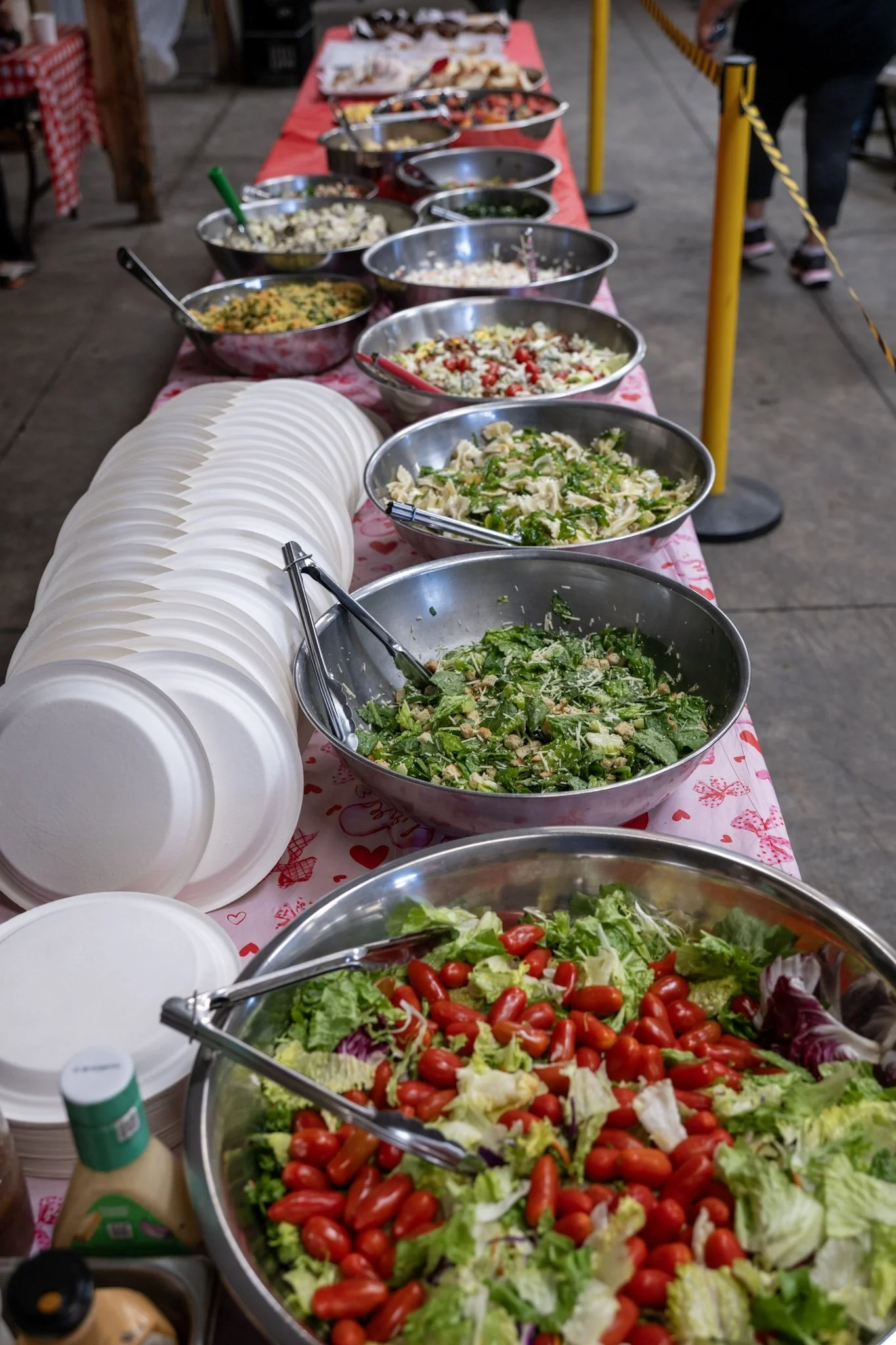
Demographic trends also present challenges. Seniors represent one of the fastest-growing populations in California, while older adults are also among the fastest-growing segments of the unhoused population.
Additionally, legislation such as SB 1383 has created new expectations and reporting requirements. While organizations like Grey Bears have developed the infrastructure necessary to comply, smaller organizations they partner with may struggle to manage the additional administrative burden.
Looking to the Future - Will Food Recovery Become More Normalized?
Danielle and Kayla believe that food recovery has become increasingly recognized as an essential community service, and they expect that trend to continue.
According to Danielle: “As additional funding enters the space, some organizations may be able to develop larger-scale programs and more impactful partnerships. The key is ensuring that resources are directed toward organizations with the capacity and community relationships needed to do the work effectively.”
They also note that greater professionalization should lead to stronger partnerships across sectors, expanded food recovery efforts, and increased investment in the infrastructure required to keep edible food out of landfills and on the tables of people who need it.
Ultimately, Grey Bears believes that food recovery should continue to grow, expand, and become a permanent part of how communities address both food insecurity and food waste.
We’re extremely grateful to Danielle and Kayla for their time during this interview and for their continued partnership with Replate. Thanks so much for all that you do!