Fee-for-Service Models in Food Rescue: A Conversation with Rescuing Leftover Cuisine
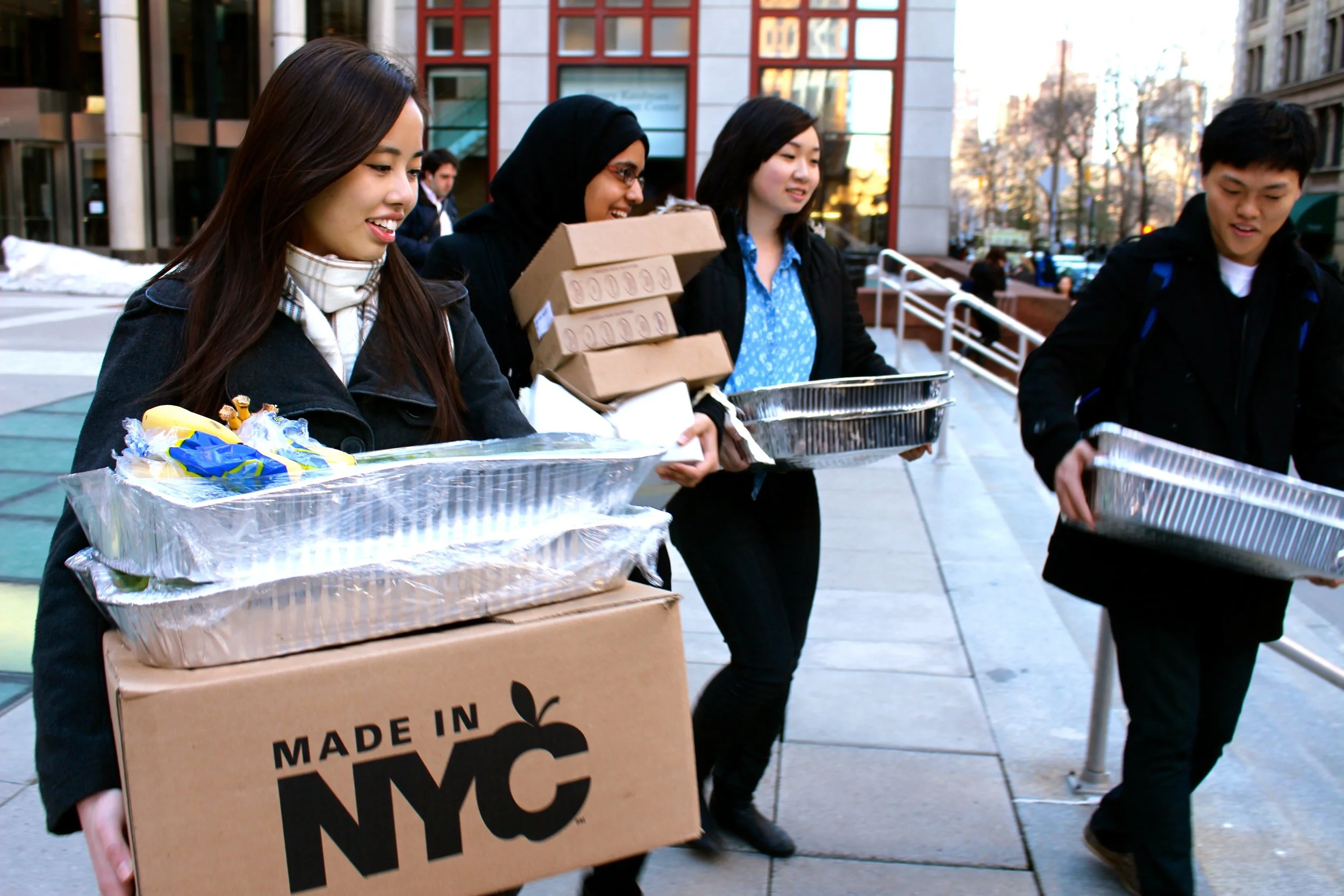
We recently had the pleasure of interviewing the founder/CEO of Rescuing Leftover Cuisine, Robert Lee! RLC is a fellow food rescue organization and longtime partner of Replate; their mission is to alleviate food insecurity in the United States by diverting fresh food surplus back into communities.
From Student Volunteer Project to National Operation
Rescuing Leftover Cuisine (RLC) began in 2009 as a student club at New York University, where volunteers transported leftover food from dining halls to local shelters. Founder/CEO Robert Lee joined this initiative specifically to rescue food surplus that arose over weekends, since weekdays were already receiving much of the focus.
What started as a grassroots effort quickly exposed a much larger issue: food waste wasn’t limited to occasional events or special circumstances - it was an ongoing issue that called for an ongoing, systemic solution.
After formally launching Rescuing Leftover Cuisine as a non-profit in 2013, the organization expanded beyond campus operations and eventually grew into a nationwide network operating across all 50 states and with nine major cities - including major hubs like Atlanta, Chicago, Los Angeles, and Columbus, Ohio!
The Early Challenge: Goodwill Alone Doesn’t Scale
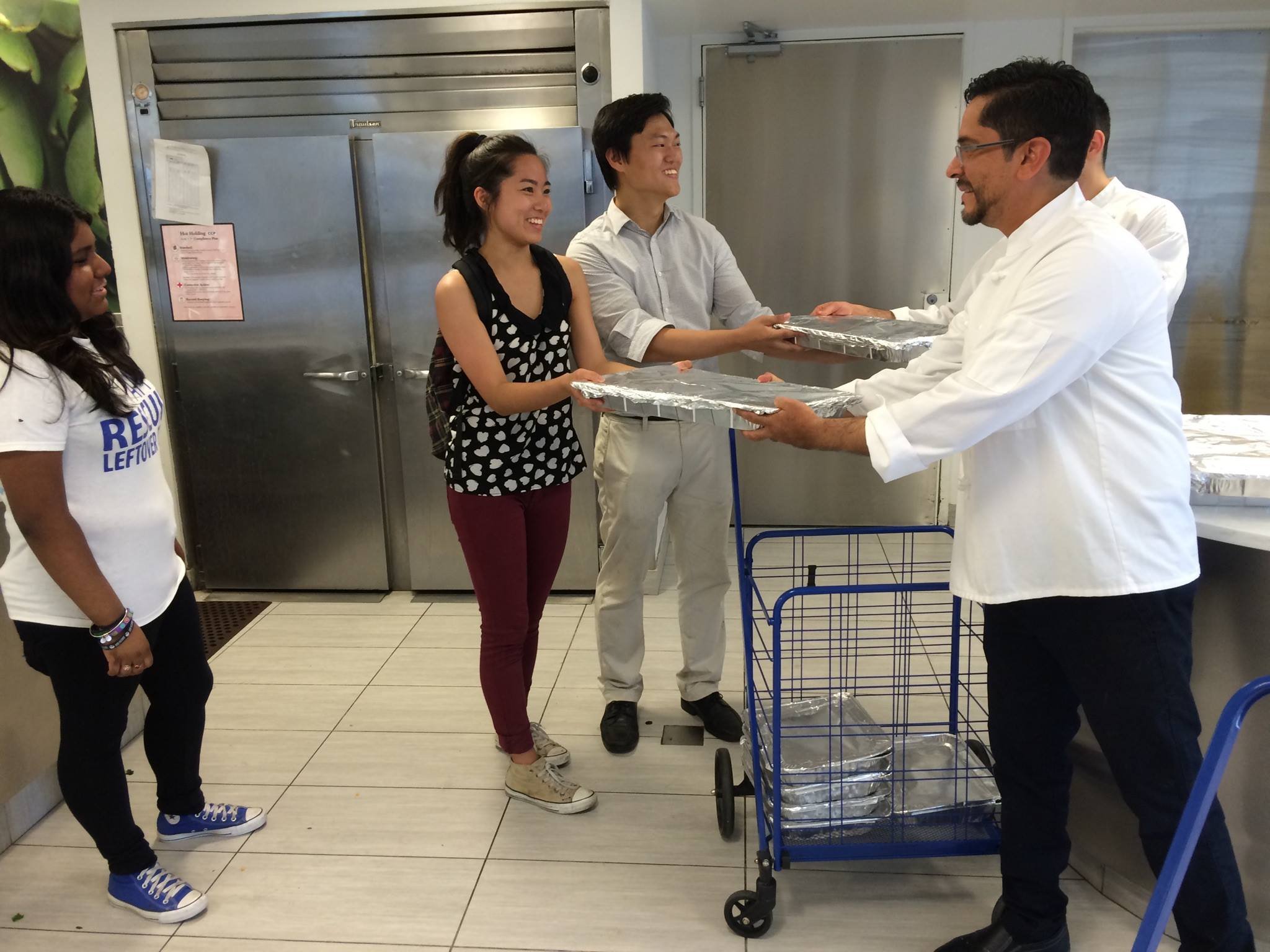
In RLC’s early days, food rescue operations were free, and were largely powered by volunteers and donor goodwill. But over time, Robert and his team realized that relying entirely on free participation created major operational limitations.
“Unfortunately, we do live in a capitalistic society,” he said. “Money is always going to be a driving factor.”
While many food donors genuinely cared about reducing waste, goodwill alone wasn’t enough to create consistent, scalable systems. Food generators were participating because they had a vested interest in sustainability, not necessarily because they understood that mitigating food waste should be an obligation.
RLC eventually moved to a ‘fee for service’ model, meaning that they began to charge a fee to any business that wanted to donate food through them.

Why Charging for Food Rescue Matters
One of the strongest themes from our conversation was the importance of fee-for-service models in building accountability and operational consistency.
According to Robert, charging a service fee creates alignment across all parties involved in the recovery process.
“If folks don’t care, it doesn’t get done,” he explained.
Even when managers signed organizations up for food rescue programs, the employees actually responsible for packing and preparing donations often lacked incentive or operational buy-in. Without financial investment, food recovery easily becomes deprioritized during busy shifts or staffing shortages.
Fees also create a framework for professionalism and accountability.
“There’s no way to offer recourse when things go wrong if something gets messed up,” Robert noted, referencing issues like failed pickups or operational errors.
Rather than viewing fees as contradictory to social impact, Robert sees them as essential infrastructure for making food rescue dependable at scale.
Essentially, charging a fee for food rescue work creates shared expectations among all parties involved: food rescue organizations, recipients and food generators/donors. This model also creates a framework that can more easily be replicated and scaled, since there is no more ‘relying on goodwill’ to get the work done.
The Hidden Costs of Food Recovery
The operational complexity behind food rescue programs is vastly misunderstood or disregarded.
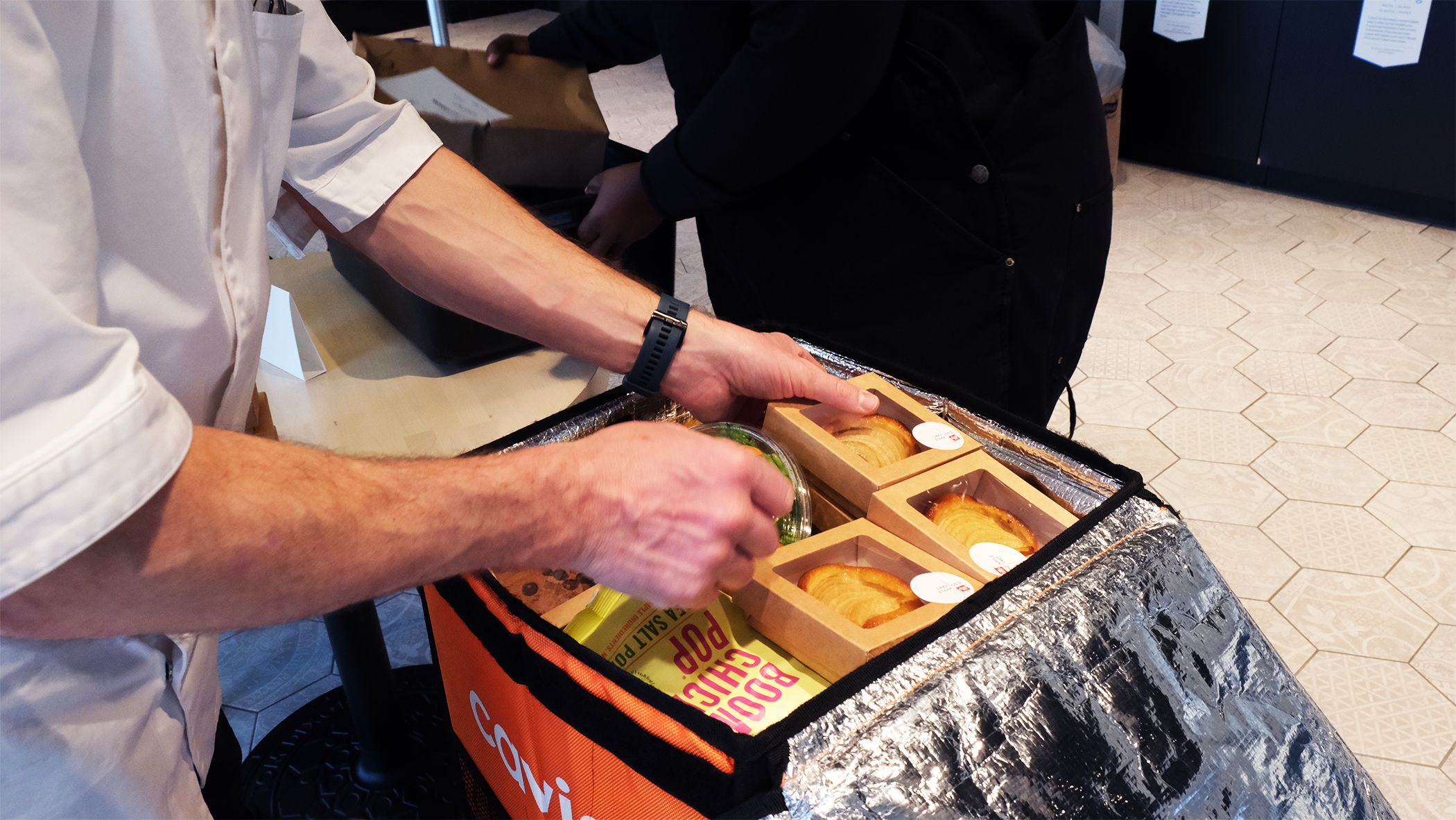
Transportation alone represents a major cost and time sink, especially when coordinating pickups across large geographic areas. Recipient organizations also absorb costs related to packaging, sorting, refrigeration, and food preparation.
“There’s also the logistical work of matching,” Robert said.
That matching process includes:
coordinating pickup timing,
identifying recipient organizations with storage capacity,
ensuring food is culturally appropriate,
and maintaining professional communication across donors and nonprofits.
These behind-the-scenes operational costs are often invisible to the public, but critical to running reliable recovery programs. Robert also notes that fundraising is difficult work - especially in our current political landscape. It’s not realistic for many FROs to solely rely on grants to fund their work, highlighting the importance of charging some sort of fee.
Measuring Success Beyond Pounds Rescued
While RLC has rescued millions of pounds of food (more than 24 million and counting!), Robert emphasized that prevention is also becoming an increasingly important metric.
“Prevention is also huge,” he said. “Most of the food in production is not actually needed.”
In other words, the ultimate goal isn’t simply moving more surplus food, but also helping organizations generate less surplus in the first place. If that isn’t happening, then no real progress is being made in terms of lessening the amount of food that a donor is producing overall. This concept is normally referred to as ‘source reduction’.
Though source reduction can be difficult to measure, it’s becoming more and more key in measuring the effectiveness of food rescue as a whole.
Also just as important is considering how many people at a recipient non-profit were actually fed with recovered food that has been donated. Poundage doesn’t always accurately capture this metric, but it’s vital to consider.
Final Thoughts
Food rescue shouldn’t be considered charity. It’s a complex, multi-step operation that takes a ton of effort on all ends. Our conversation with Robert shined light on the fact that in order for food rescue to scale, food generators need to understand the value of the service that’s being provided to them (rather than just see it as a charitable favor).
When organizations like RLC and Replate charge a fee to coordinate and complete food rescues across the country, that fee reflects the real work that goes on behind the scenes to make that happen. While grant funding is always going to play a large role in non-profit work, having a way to self-sustain your organization or recoup certain costs should be at the forefront of every FRO’s (food rescue organization) priority list. Without that scalability, getting fresh food back into communities becomes that much more difficult.
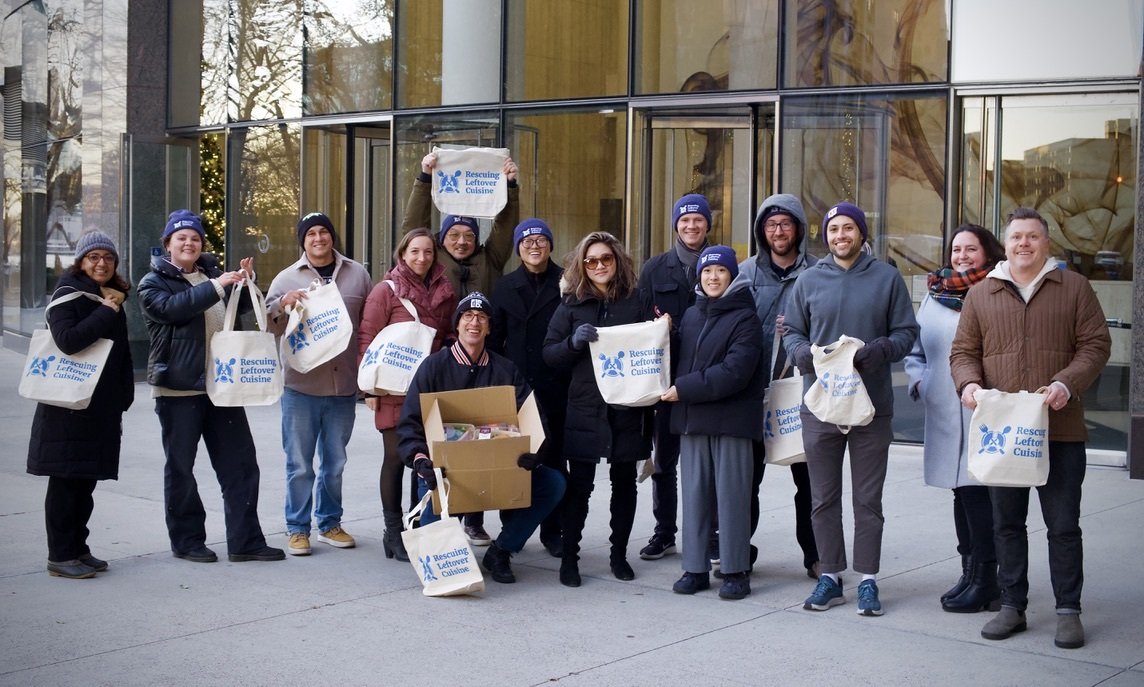
We hope you enjoyed this conversation and were able to take away some valuable insights from it! We’re grateful to be partnered with Rescuing Leftover Cuisine, and we hope to continue to scale our impacts even further in the coming years.