Community Changer: Every Day Action in Los Angeles
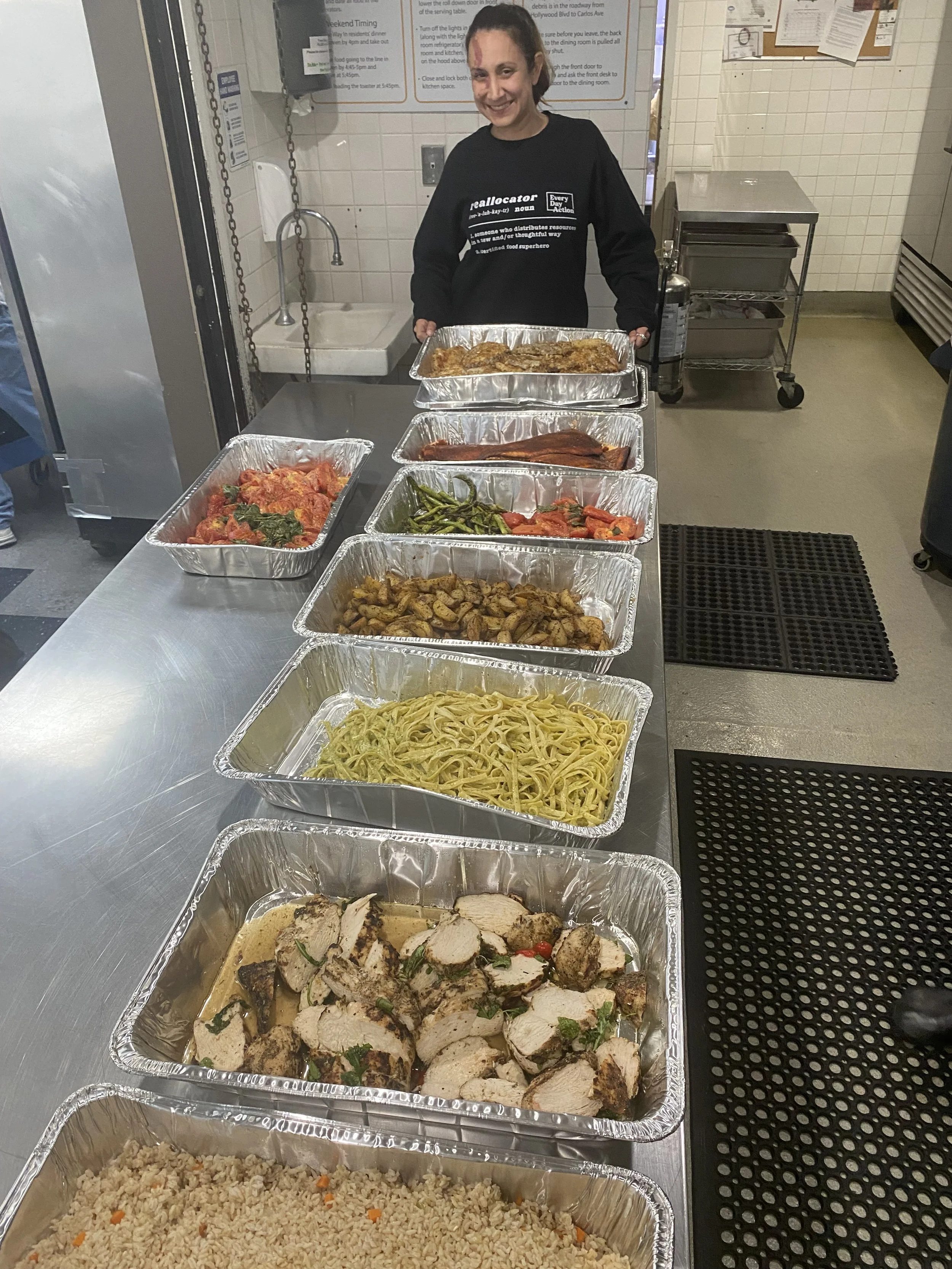
Have you ever thought about how food surplus is handled on film and tv production sets? It’s a major concern for many of those working in the industry - and the founders of Every Day Action have managed to turn that concern into action! 🎬
Founded in 2020 by co-founders Hillary Cohen (CEO) and Sam Luu (COO), Every Day Action was born out of years spent working behind the scenes in the film industry. As experienced members of the Directors Guild of America (DGA), both spent over 15 years on sets as assistant directors and producers, where they witnessed firsthand the stark contrast between abundance and need.
On one hand, there was an overwhelming amount of food waste generated daily on set.
On the other, production assistants and crew members, often some of the hardest-working individuals on set, were navigating long hours with limited resources.
That tension stuck.
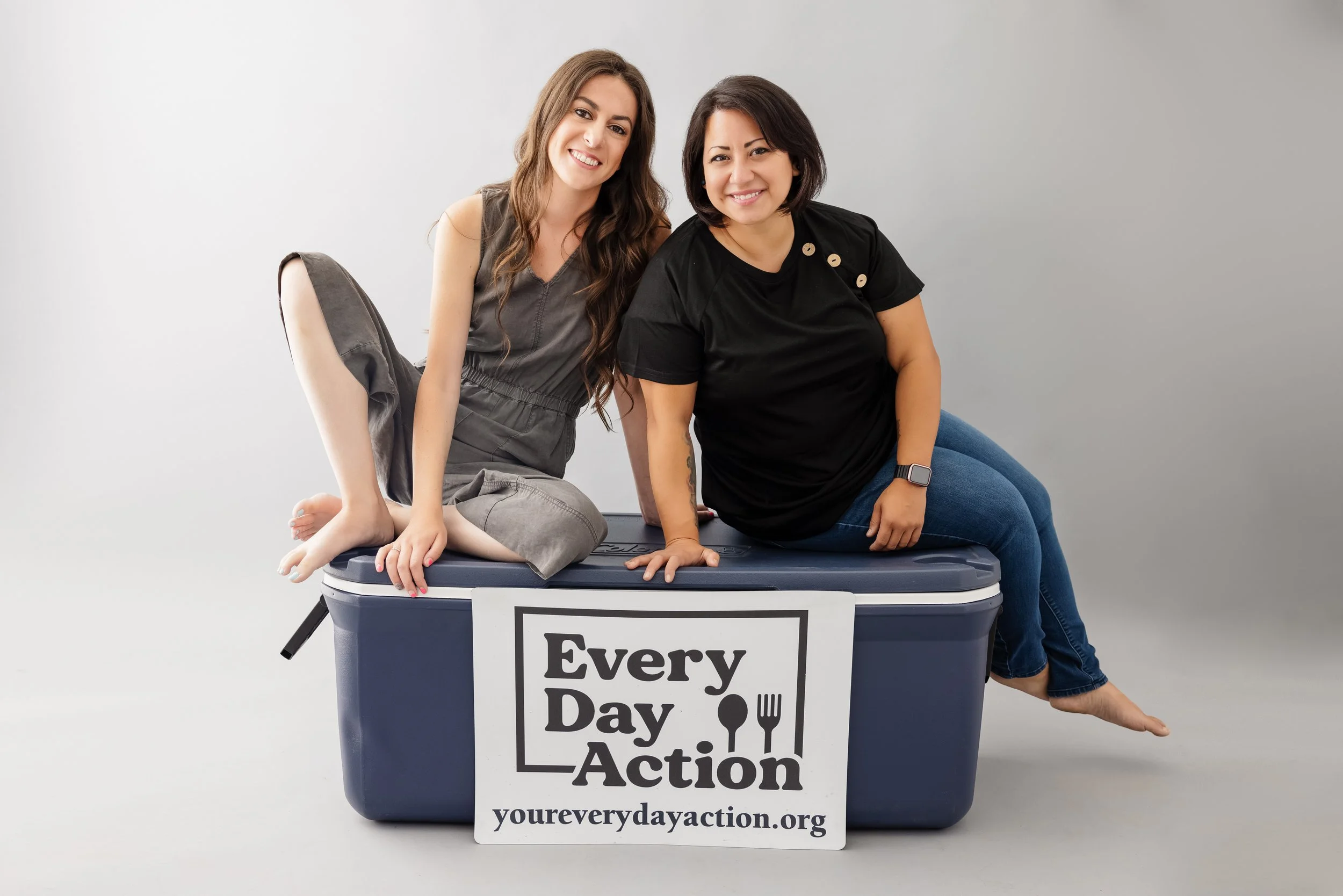
With this in mind, Sam and Hillary began to see an opportunity to address multiple systemic issues at once: food waste, food insecurity, and wage disparity. EDA was built not just to recover food, but to do so in a way that creates economic opportunities through paid food rescue work.
At its core, EDA is about channeling awareness into action - and inspiring others to do the same.
A “Tiny but Mighty” Operation with Expanding Reach
On a day-to-day basis, EDA runs a highly coordinated and fast-paced operation. With a team of about 25 drivers, they complete between 15 and 20 rescues each day.
Their model blends stipend-based drivers with volunteers, creating flexibility while also ensuring that food rescue work is compensated. This hybrid approach allows them to scale impact while also staying grounded in their mission of equitable labor practices.
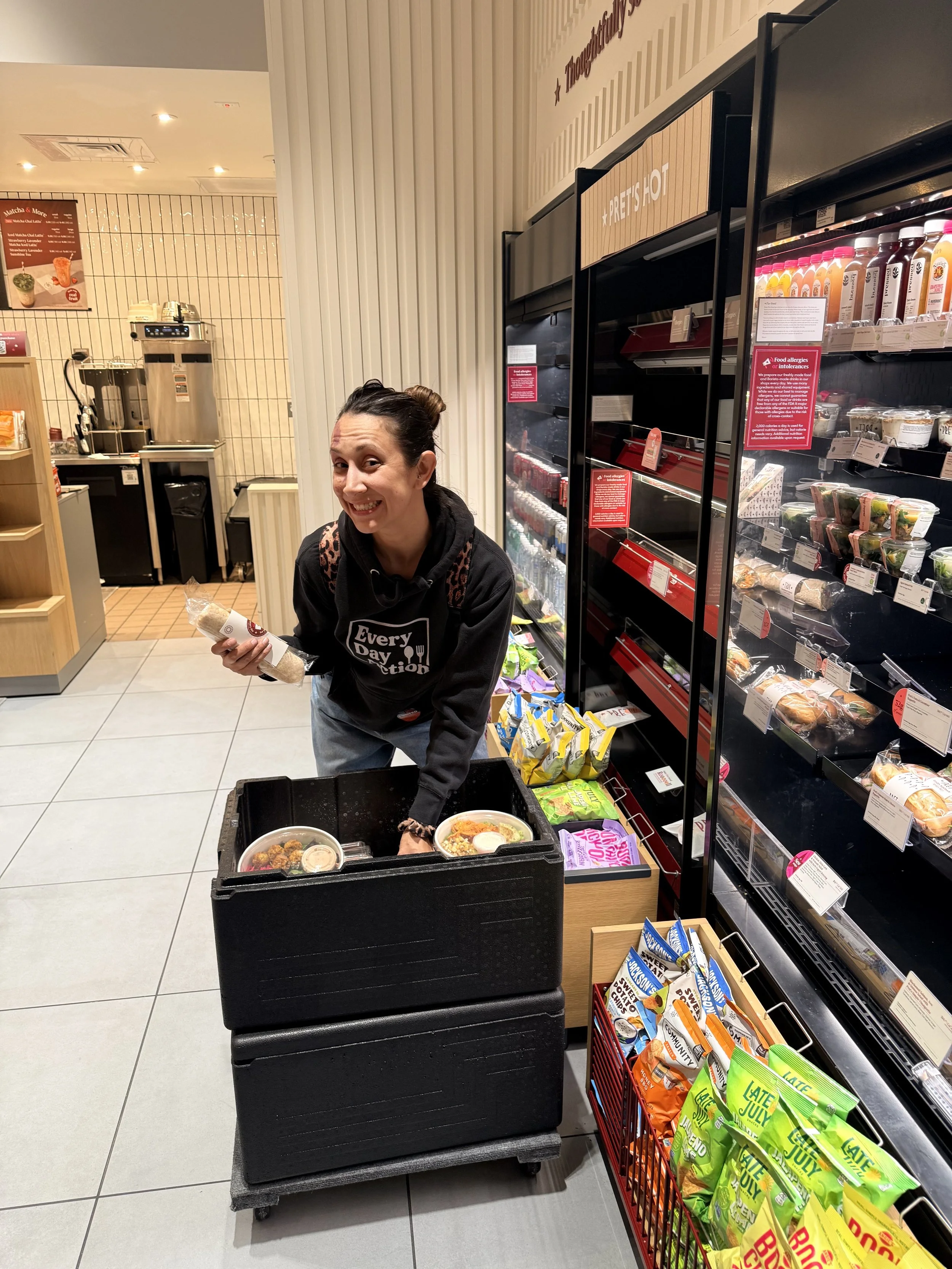
EDA partners with a wide range of food donors, including film and television productions, commercial shoots, low-budget indie sets, and grocery stores. Collaborations with other food rescue organizations, like Replate, help extend their reach even further and reach a wider variety of food generators!
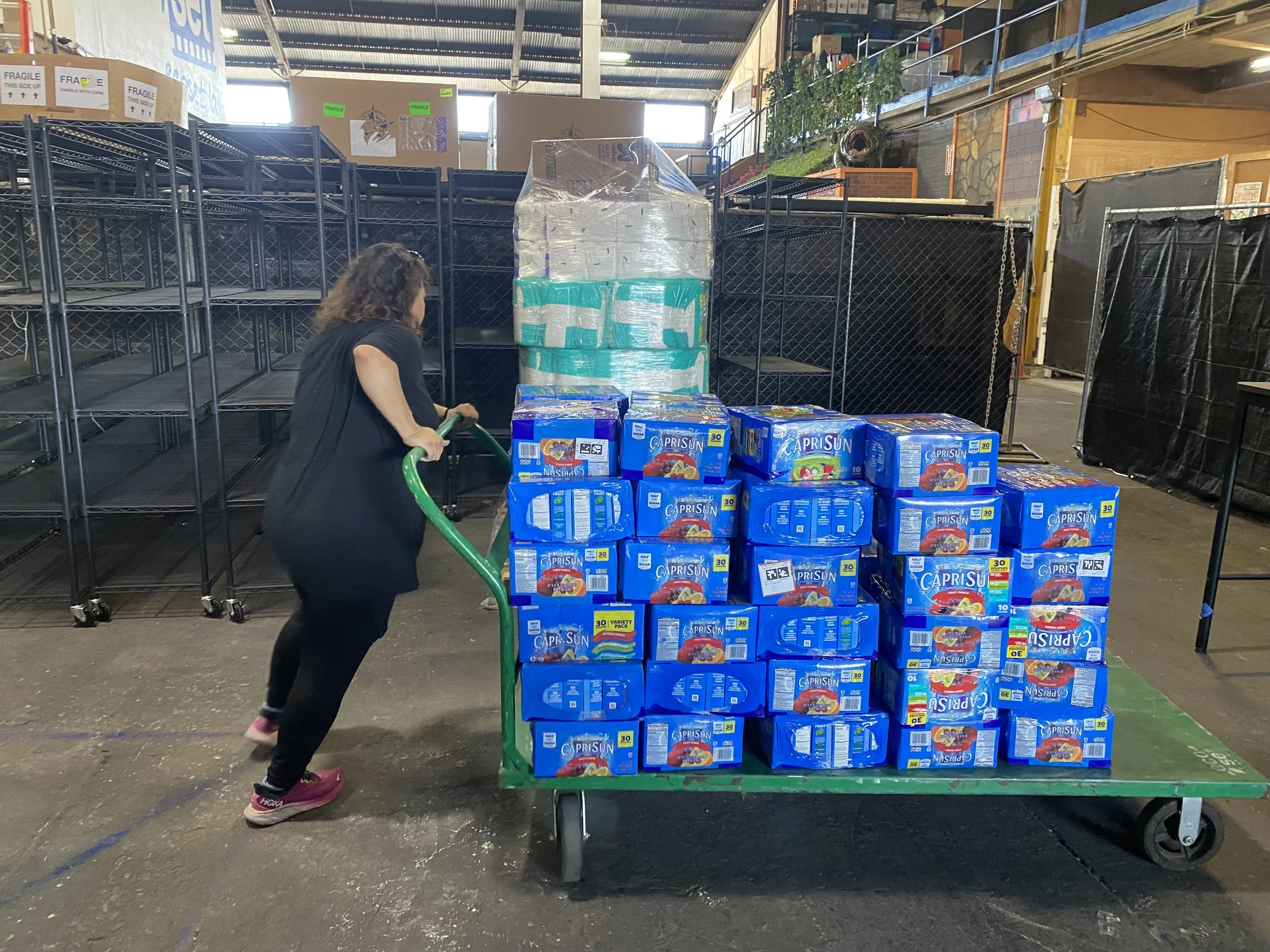
On the recipient side, their network includes veteran housing programs, transitional housing sites, and organizations serving unhoused communities. Working with organizations that don’t exclusively operate in the ‘food’ space allows them to broaden access points for fresh food redistribution.
Food safety is also a central priority. The team focuses on minimizing the time between pickup and delivery, ensuring food remains safe and high quality. Their partnership with F.I.S.H. LA (Food Insecurity Shared Hub - Los Angeles) provides additional infrastructure, allowing rescued food to be stored and redistributed more efficiently when needed.
Serving Greater Los Angeles, One Production at a Time
EDA’s service area spans across Greater Los Angeles, including regions such as Santa Clarita, Chatsworth, Northridge, Altadena, Pasadena, San Pedro, and Long Beach. They have even extended their reach as far as Orange County! Notably, they focus on the 90 mile radius that encompasses any film productions that take place in the area.
Unlike traditional food rescue organizations, their logistics are heavily influenced by film production schedules. Scripts and shooting timelines dictate when and where food becomes available, making flexibility essential.
In some cases, even the content of a production can impact operations - I.E. certain types of shoots, like those involving zombies or vampires (🧛), are avoided due to food safety considerations and late-night logistics. Locations as far as Playa Vista may also be selectively serviced depending on production dynamics and whether or not the operational cost makes sense for them.
Measuring Impact: Tracking Growth and Building Systems
Every Day Action continues to refine how they measure and communicate their impact. Currently in the process of developing an app to better track food rescue data, they aim to capture key metrics such as total poundage recovered and individual rescuer contributions.
Even now, their impact is clear:
140,000+ pounds of food rescued in the past year
65+ recipient organizations served
These numbers reflect both the scale of the issue and the growing capacity of their operation! Without their intervention, this food would have ended up in a landfill and these nonprofit organizations would have not had access to this high-quality recovered food. Every donation delivered also allows the recipient organization to allocate their budget towards other non-food priorities.
The Challenges: Funding, Education, and the Reality of Food Recovery
Like many nonprofits, Sam & Hillary note that funding remains one of the most persistent challenges for Every Day Action. Sustaining and scaling operations requires consistent financial support, especially when prioritizing paid labor.
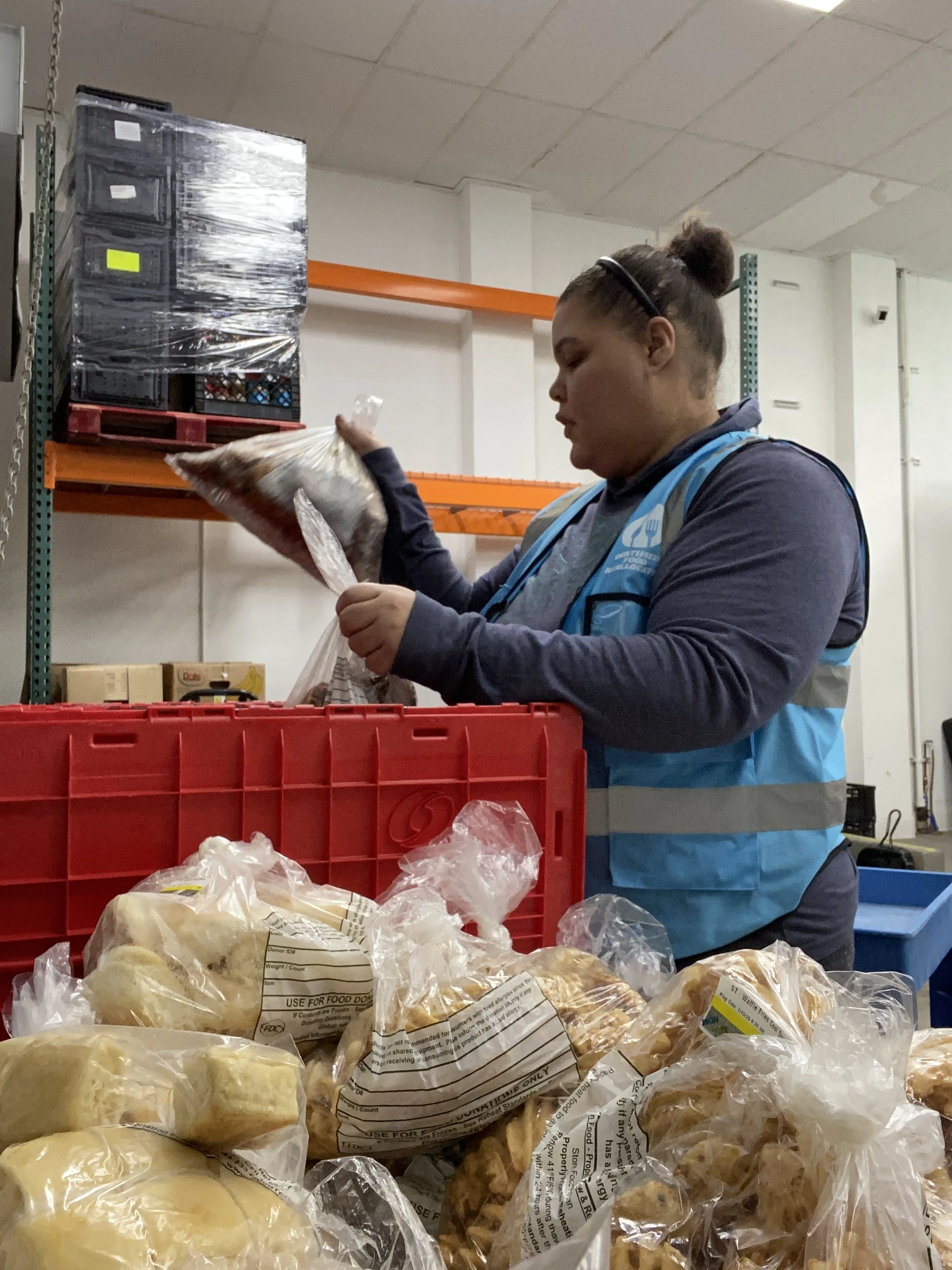
Beyond funding, the day-to-day reality of food recovery is often messy. Rescues can require a significant amount of supplies, and food donations are not always handled with dignity or care before pickup.
There is also a clear need for better education around donation practices. While legislation like SB1383 has helped move the needle in California, Hillary and Sam note that many businesses still lack clarity on how and when to donate food properly.
EDA has taken an active role in bridging this gap, even working directly with partners like Whole Foods to provide guidance to the store’s employees and improve donation protocols.
Looking Ahead: A More Unified and Professionalized Food Recovery System
Looking to the future, Hillary sees strong momentum toward a more normalized and professionalized food recovery landscape.
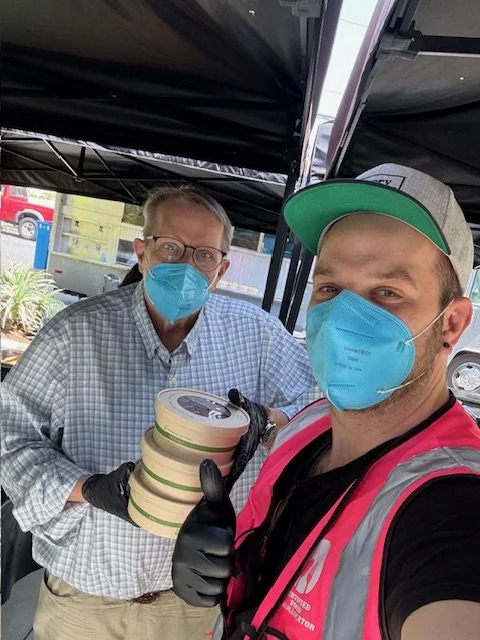
Food waste policies have already played a critical role in Los Angeles, where the scale of both food waste and food insecurity makes action unavoidable. The need is simply too large to ignore.
There is also a growing sense that collaboration will define the next phase of the movement. Organizations like the LA Food Recovery Alliance (LAFRA) are helping to unify efforts and create models that can be replicated in other cities.
For Every Day Action, this shift represents both an opportunity and a call to action: to continue building systems, strengthening partnerships, and demonstrating what’s possible when people come together around a shared mission!