SNAP was Paused for the First Time in U.S. History - Here’s why that Matters
Millions of people in America were left without their food benefits this past November - but what exactly is SNAP, and why is it so essential?
SNAP Program - Overview and Funding
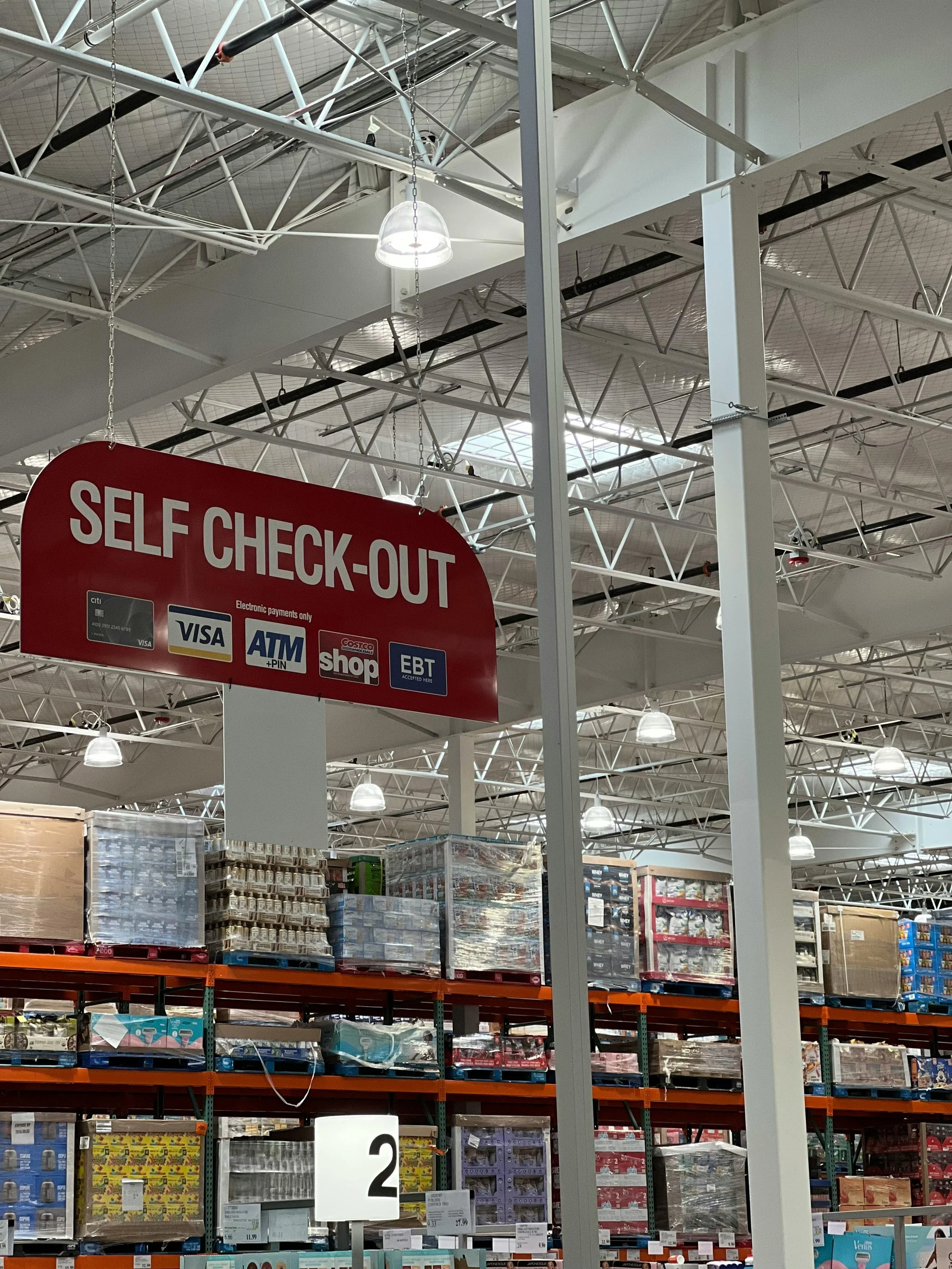
In the United States, the Supplemental Nutrition Assistance Program (SNAP) is a nearly 60-year old government program that assists tens of millions of Americans with accessing groceries. SNAP provides participants with a monthly grocery stipend, and these funds are able to be spent at participating grocery stores and farmer’s markets on most* non-hot food items.
In order to participate in the program, applicants must be approved by meeting certain income and working requirements. Approved applicants receive their benefits via an Electronic Benefits Transfer (EBT) card, which functions similarly to a debit card.
[*Some states have introduced legislation to ban the purchasing of snack foods with EBT, and some fast-food restaurants have begun accepting EBT payments as well.]
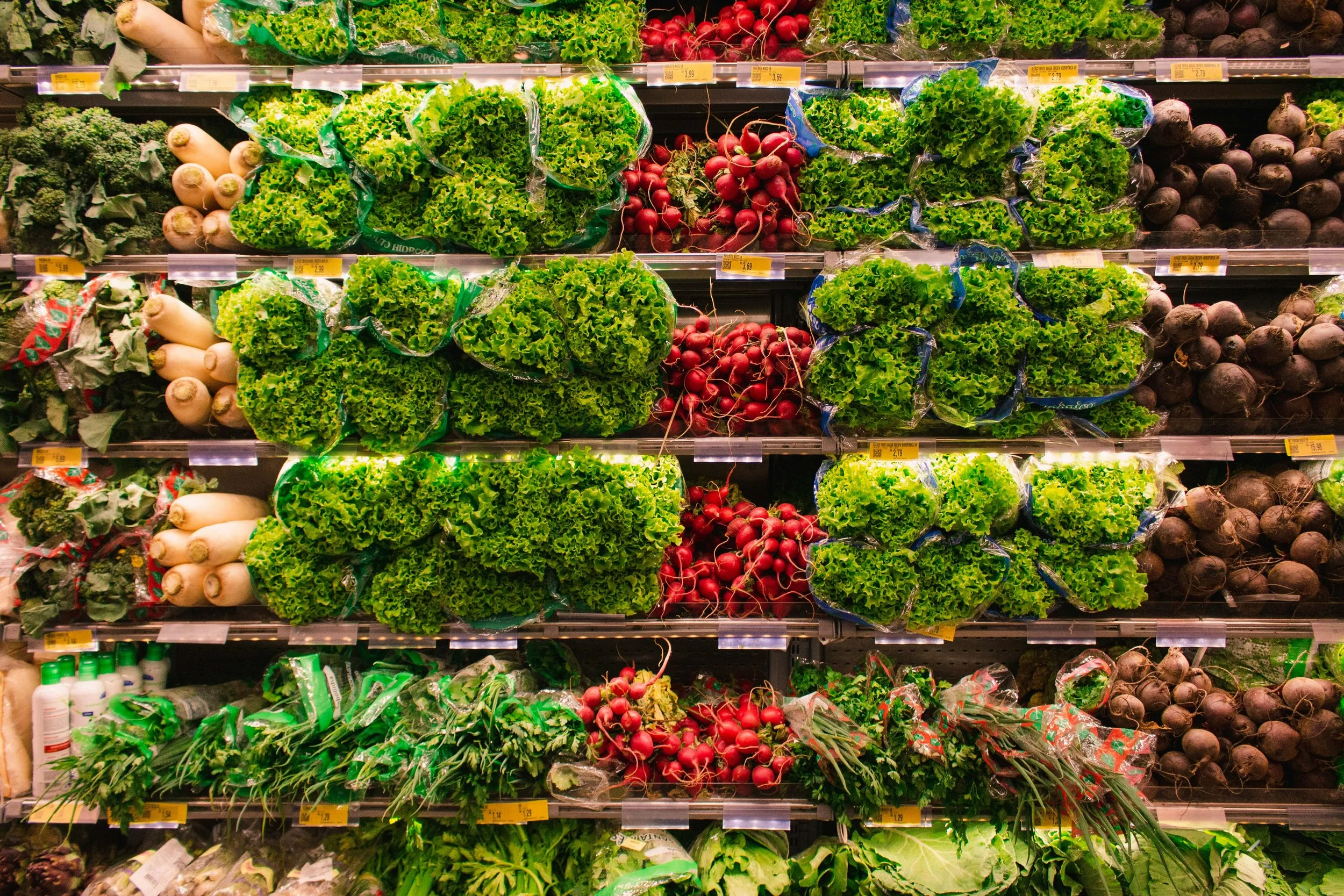
SNAP is funded by the Farm Bill (Specifically as a ‘nutrition title’ program), along with other assistance programs like Women, Infants, and Children [WIC] and the National School Lunch Program. There are also contingency funds in place to fund the program in case of a government shutdown or emergency.
Individual states are then responsible for disbursement of SNAP benefits each month; states are also able to have their own legislation regarding how benefits can be spent.
The Federal Shutdown
In November 2025, for the first time in U.S. history, SNAP benefits were paused as a result of a federal government shutdown. The U.S. Department of Agriculture (USDA) — under the Trump administration — declined to tap into the SNAP contingency fund to continue benefit payments during the shutdown.

As a result, SNAP payments for that month were either delayed or never disbursed.
This situation created an immediate food access emergency, as many families across the country were left unable to properly feed themselves until the government shutdown ended.
The Many Benefits of SNAP - Economics and Participation
Participation in SNAP has ripple effects that extend well beyond putting food on the table. When benefits are paused, those disruptions cascade through the lives of recipients and their families.
According to Johns Hopkins Bloomberg School of Public Health, these benefits can include:
- More financial flexibility for non-food spending. When groceries are no longer a major financial burden, families are able to focus on other essential items (cleaning supplies, diapers, etc.)
- Less likely to be affected by infections, certain chronic diseases, and have overall lower healthcare costs. When people are able to regularly purchase pricier, but healthy fruits and vegetables, (instead of cheap, processed foods) they’re more likely to have a diet that protects them from these health issues.
Lindsay Allen, a health economist at Northwestern University, even makes a point that people’s literal lives are at risk with this type of pause in funding.
According to her research, SNAP participants who suffer from pre-existing, ‘diet-sensitive’ chronic illnesses rely on their SNAP benefits to purchase food that is directly related to managing their symptoms - these people can experience severe consequences or even death if their diets are disturbed.
In terms of positive outcomes, research consistently shows that SNAP is also a powerful economic driver.
Many retailers—especially grocery stores—depend on SNAP revenue when forecasting and sustaining their operations. In fact, every $1 spent through SNAP generates approximately $1.50–$1.54 in broader economic activity. These retailers are directly affected when benefits are paused, which in turn can have negative effects on the economy.
Conclusion - Potential Solutions and a Fragile Landscape
Even now that benefits have been restored (as of December 2025), the Trump administration is proposing new ways to restrict who can qualify for SNAP benefits moving forward.
As a result, it’s likely that more people will be unable to consistently access healthy food. With funding becoming more restricted for this essential anti-hunger program, many people in America are becoming more reliant on non-profit services and food banks.
Fortunately, there are also some promising government proposals that could also help to equalize food access and alleviate insecurity. In New York City, for example, mayor-elect Zohran Mamdani has proposed an idea for state-run grocery stores - stores that would be funded by local governments and stocked with food and other items at affordable prices.
California’s SB1383 law is also a great example of using legislation to improve food access, as this mandate requires that food generating businesses donate their food rather than discard it.
These type of initiative can go a long way in securing food access for millions of people, and when they’re successful, there’s potential for them to be replicated in other high-hunger areas of the country.
The pause in SNAP benefits that occurred this year was a reminder of just how fragile our food access ecosystem is here in the United States - highlighting broader national concerns about food insecurity, poverty, and the stability of safety-net programs.
If just one month of SNAP not being funded could have such enormous consequences for both public health and the economy, how would people have fared if the shutdown went on longer?
Here at Replate, we’re always looking to help in any way that we can - whether that be by expanding our recipient and partner network to get more food donated, or by providing tools to help our donors better capture their food surplus.
We’re looking forward to a future where #EveryoneEats!