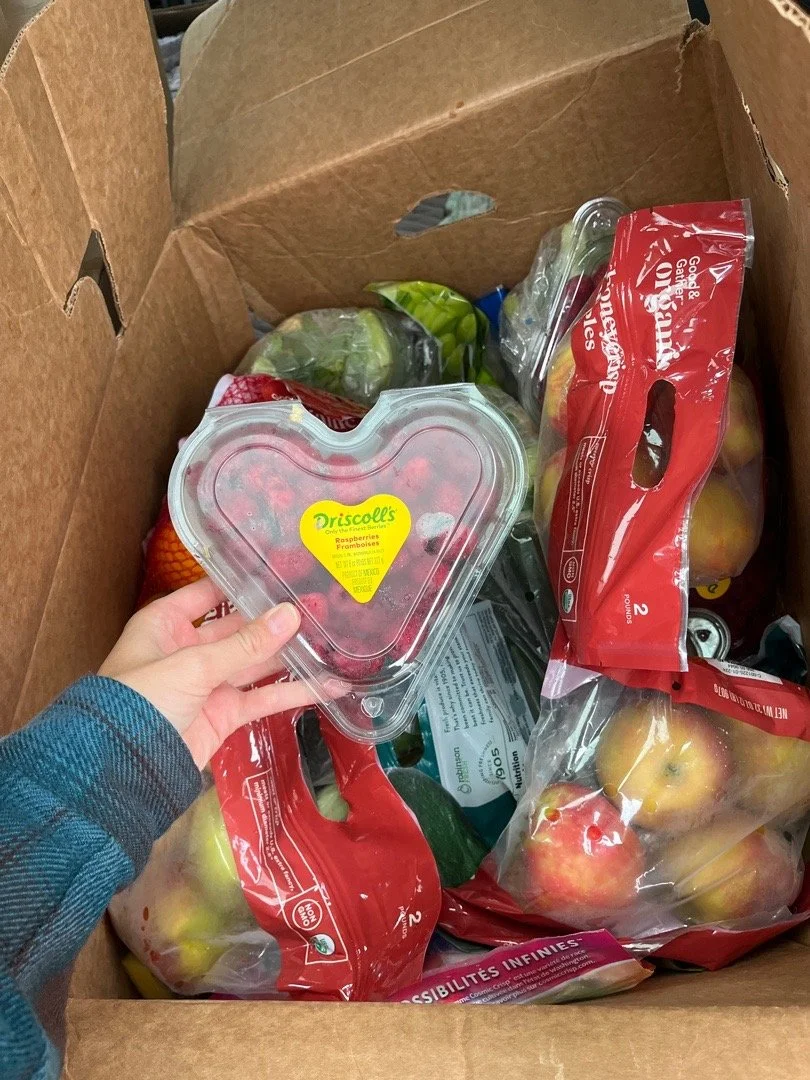
Community Changer: Chicago Food Rescue
Note: Interview conducted in Feb 2026. Responses have been paraphrased and edited for clarity.
This month, Replate had the pleasure of interviewing one of our newer partners: Chicago Food Rescue! Founder Jake Tepperman walked us through the organization’s origin, daily operations, and his perspective on the evolving food recovery landscape. Below is a condensed Q&A based on that conversation.

Origin / Founding
Chicago Food Rescue officially launched in October of 2024. Jake’s work in food access and recovery in Pittsburgh exposed him to how technology, licensing, and coordinated logistics could scale food rescue operations.
When he moved to Chicago, he adapted that same framework to local needs with a simple goal: move good food to people, not landfills, all while building a reliable food rescue system for local communities and partners.
Day-to-day operations
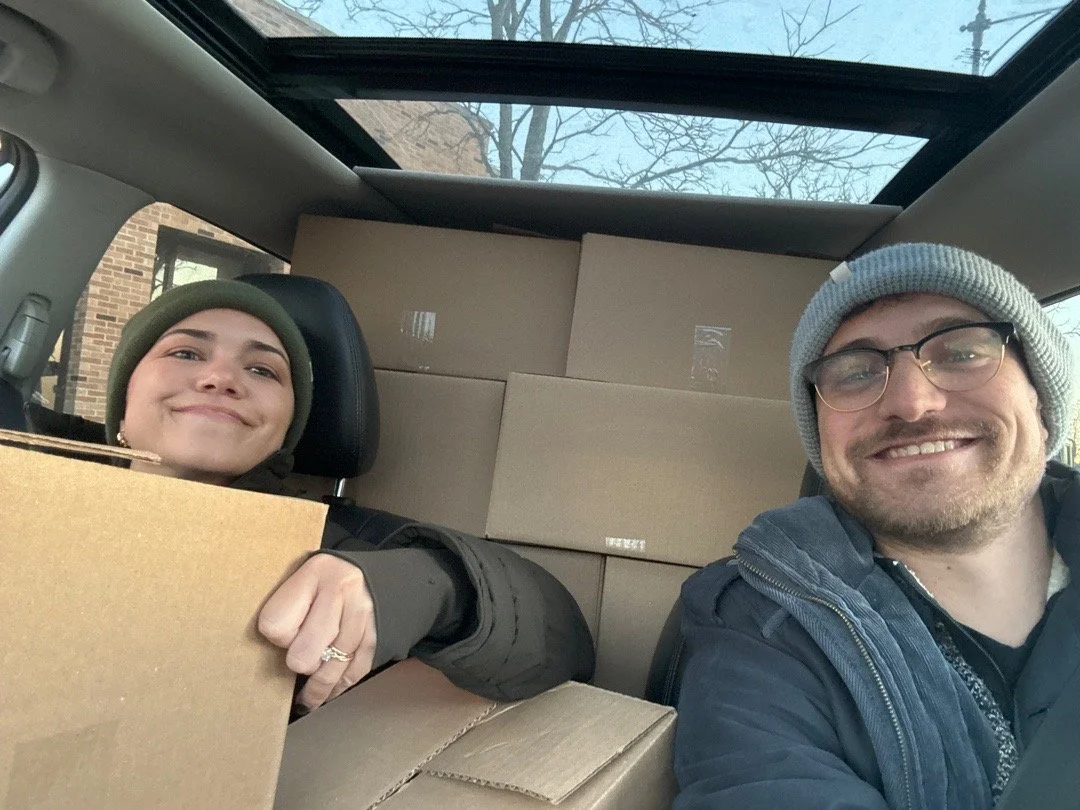
CFR runs primarily on volunteers. These food rescuers make use of CFR’s proprietary mobile app to coordinate logistics - they receive notifications containing pickup and drop-off details, timing, and food-handling instructions. Staff also step in when volunteer coverage isn’t available, but the system is built to empower community members as the core operating force. Strong relationships with donors and nonprofit partners keep food moving efficiently across the city.
Areas served
CFR primarily serves Chicago with a focus on underinvested neighborhoods and organizations. Before taking on new donors or partner sites, they ensure a sufficient volunteer base exists in that area so rescues remain reliable and food doesn’t get stranded.
Impact metrics
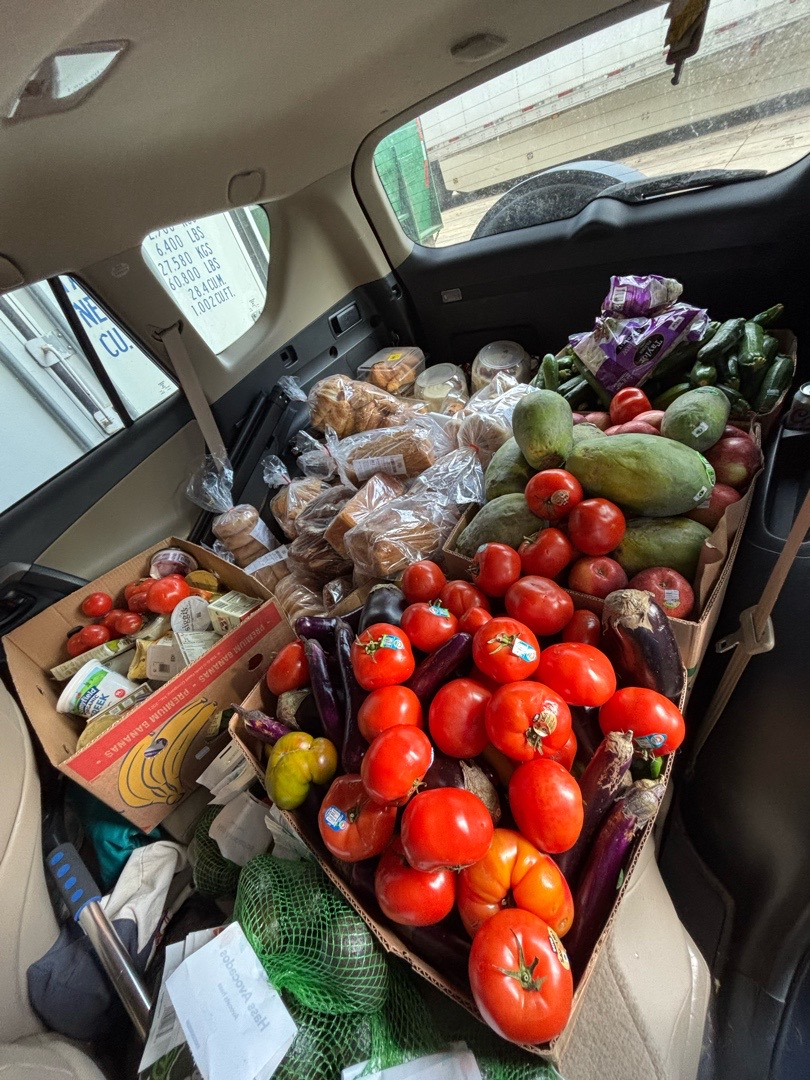
~200,000 pounds rescued in the past year
80+ nonprofit partners served last year
1,000+ rescues completed all-time
~280,000 meals provided overall * (though some donated items include non-meal items, like produce)
Jake notes that while numbers matter, the organization measures success by the real-world impact: pantry shelves stocked, community meals served, and fewer edible items going to waste.
Roadblocks, solutions, and challenges
A consistent and persistent barrier to scaling food recovery is donor/food generator awareness. Many businesses remain unsure about liability protections for donations despite laws like the Good Samaritan Food Donation Act already being in place to protect donors.
Policy changes (like SNAP and immigration enforcement, for example) also increase food access strain; in those moments, food rescue groups often act quickly to fill gaps. Still, Jake emphasizes that food rescue is meant to supplement, rather than replace, a broader safety net.
The future of food recovery - does CFR see food recovery becoming more normalized?
Jake notes that food recovery has already become far more mainstream in the last decade. Producers and retailers are thinking about food’s full lifecycle, and rescue operations are spreading into rural areas and new partnership types.
In an ideal future, Jake says, food recovery could become as routine as waste disposal - a standard, possibly municipally-supported, service with the scale and professionalism to reach food deserts and nontraditional sites.
Only time will tell if this is the direction food recovery is headed, but the need for legislative/governmental backing will always be a constant if food recovery is to become more normalized.