Climate Change in 2025: Glacier Loss, Water Scarcity, and the Growing Food Crisis
2025 was a defining year for the worldwide fight against climate change.
This year saw the global water crisis rapidly accelerate: droughts deepened, glaciers shrank, and groundwater supplies were depleted at alarming rates. As climate protections and research within the Environmental Protection Agency faced rollbacks, food insecurity continued to grow, underscoring the fragile link between environmental stability and our food systems.
Glacier Loss and Global Water Scarcity
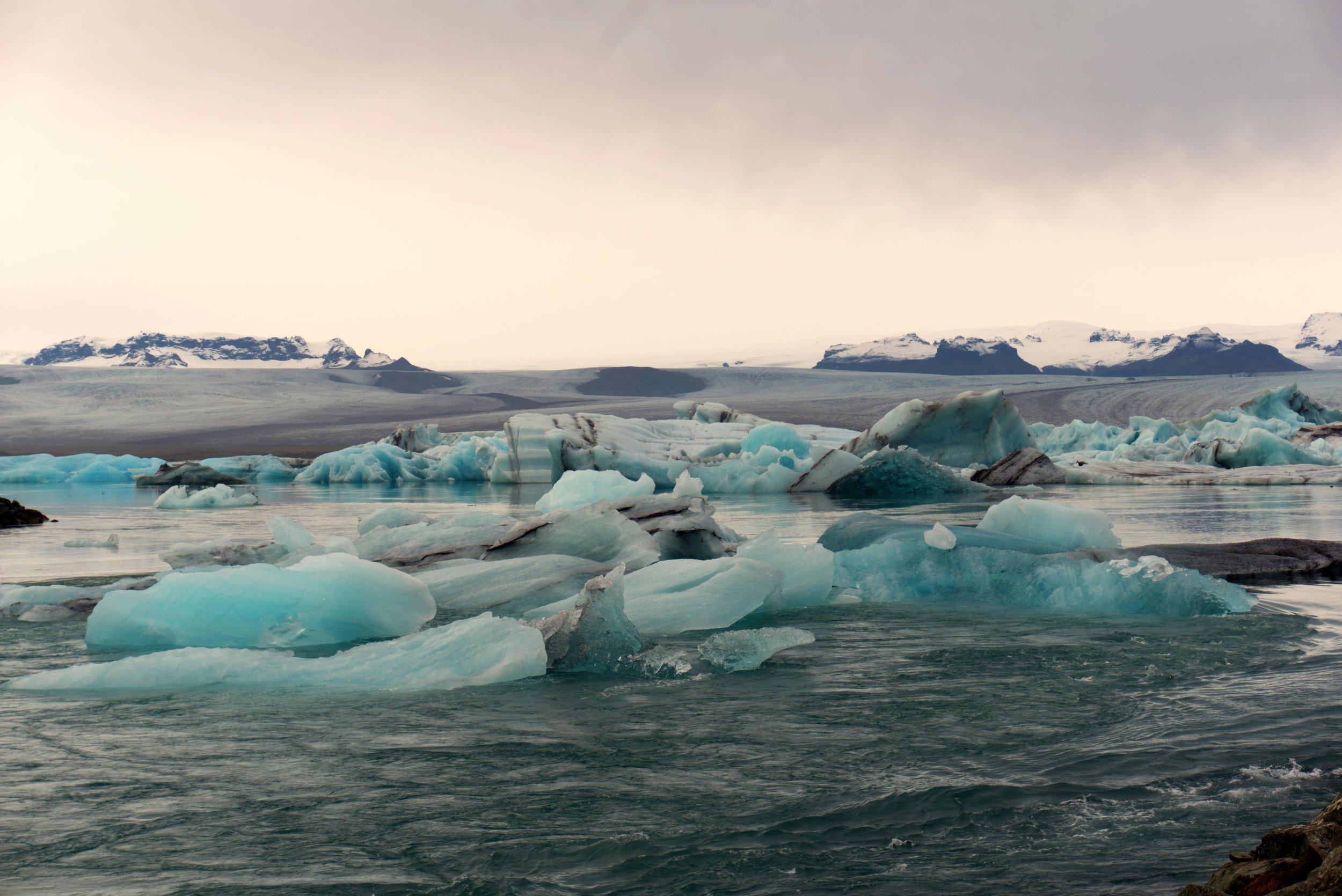
Last year, in response to these growing issues, the United Nations General Assembly designated 2025 as the International Year of Glaciers’ Preservation (IYGP).
As of 2023, Earth’s glaciers were shedding more than 600 gigatons of ice annually, the highest volume of loss ever recorded. This rapid melting far exceeds previous rates, with the last year for actual glacier growth being 1993 - nearly 30 years ago. Since then, glaciers have only continued to lose more mass, further accelerating the climate and water crisis.
This reduction in mass has had disastrous effects for freshwater supplies around the world, with nearly 70% of the world’s freshwater being stored in these glacial sources. Glaciers act as natural reservoirs - slowly releasing water throughout the year in predictable patterns. As glaciers lose mass, the planet loses natural freshwater storage, leaving less water available to sustain rivers and aquifers during dry periods.
When coupled with other issues (like rising temperatures, population growth, and groundwater overuse), countries around the world are already experiencing severe drought conditions.
The Global Water Crisis - Droughts and Stressed Systems
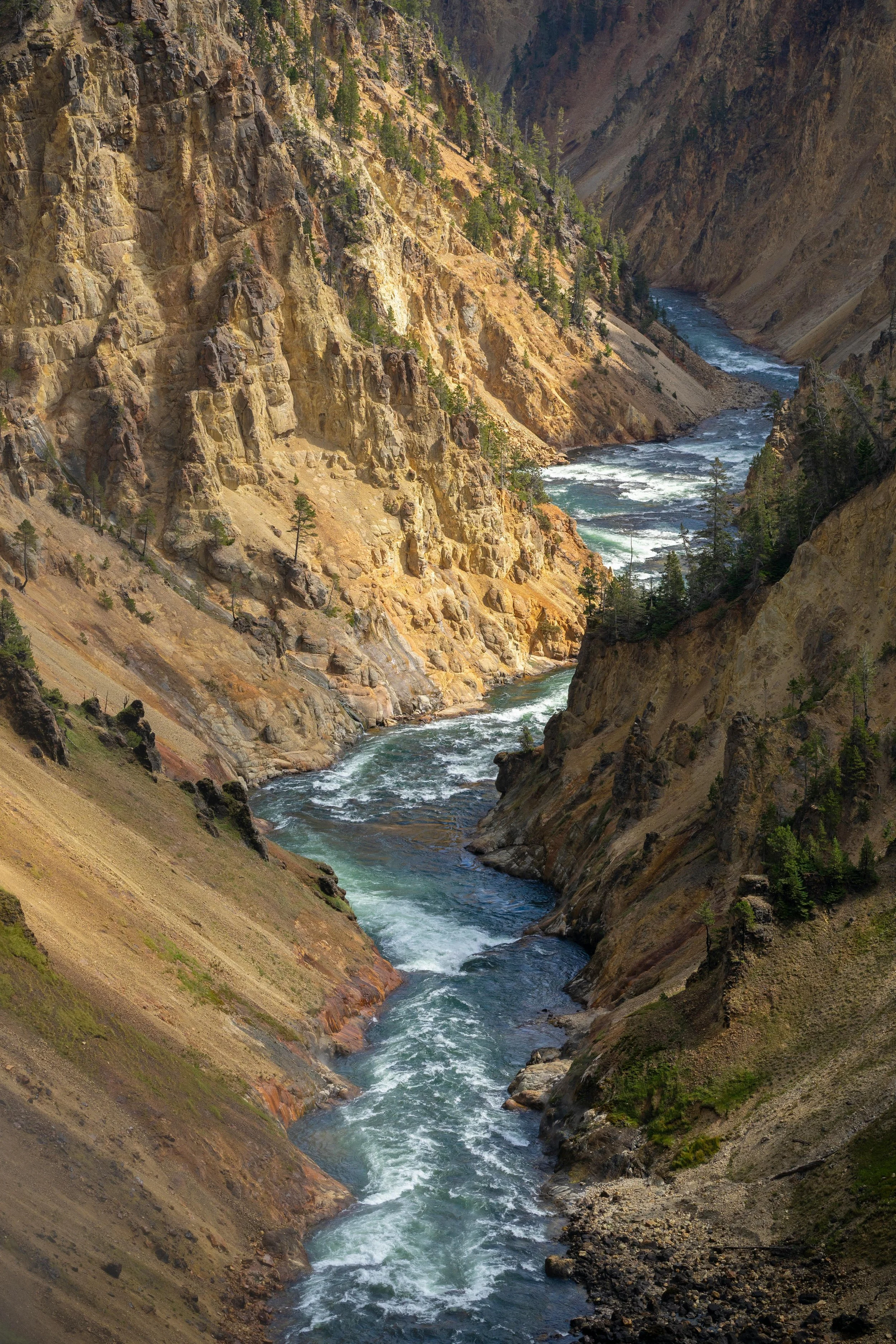
Population centers like Kabul, Afghanistan, for example, may be among the first major cities to completely ‘run dry’.
Many groundwater sources here have been completely depleted; this depletion is forcing some families to spend significant amounts of their time and income obtaining water, as private companies begin to assume control of the remaining water sources.
Policy decisions play a major role here, too. Since the 2021 reinstatement of the Taliban government in Afghanistan, priorities have shifted away from water treatment and distribution, and foreign aid has been sharply reduced, much of which was previously dedicated to water access and infrastructure.
This issue follows a larger global trend of countries shifting their climate priorities - including the United States.
How EPA and USDA Policy Changes Impact Climate and Agriculture
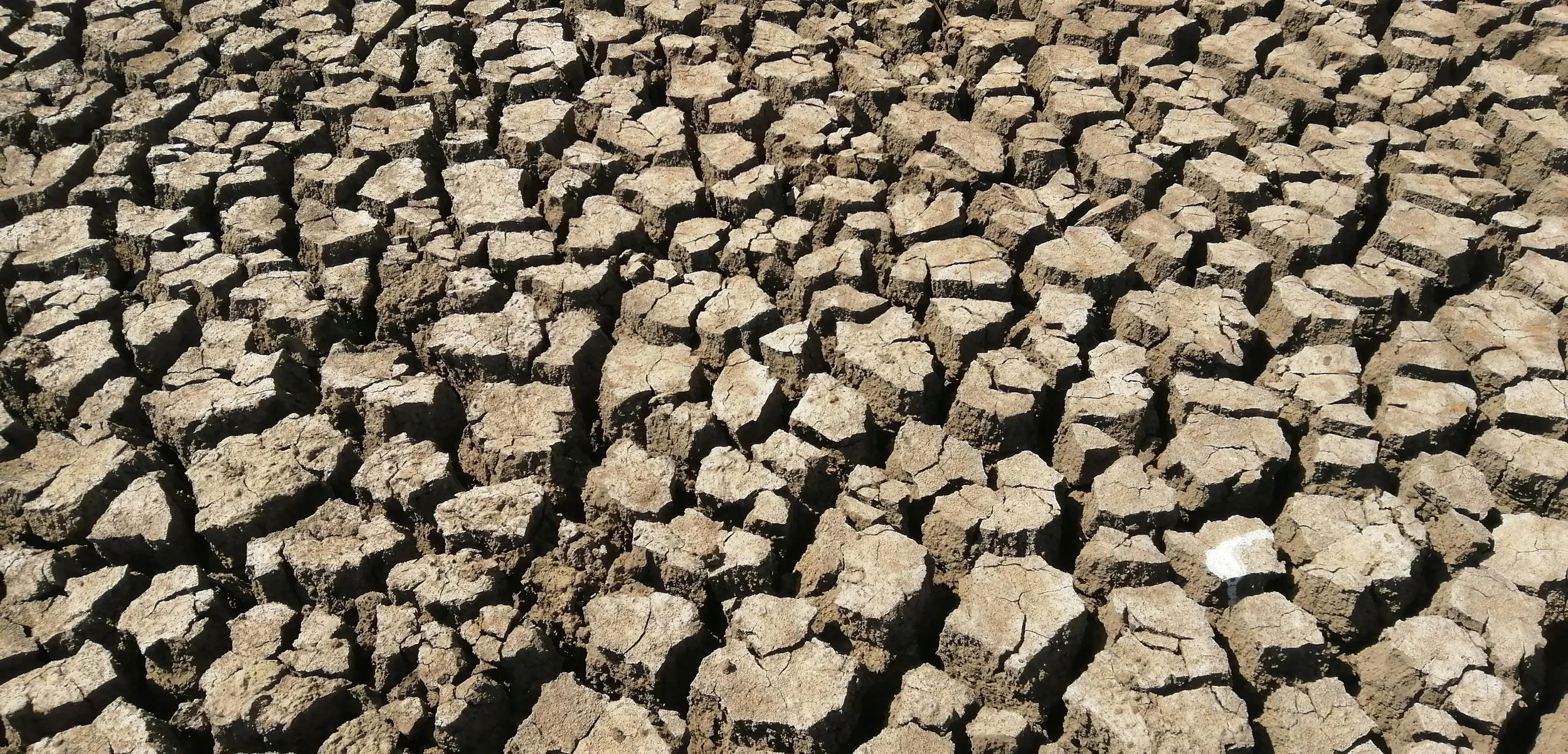
In the U.S., the Environmental Protection Agency (EPA) has undergone significant shifts in climate research and policy direction since 2025.
According to reporting from Civil Eats, the Trump administration convened a “working group” to produce findings that could justify repealing the EPA’s ‘endangerment finding’, the landmark determination that greenhouse gas emissions endanger public health and welfare.
The endangerment finding serves as the legal foundation for federal climate regulation under the Clean Air Act, granting the government authority to regulate greenhouse gas emissions.
Weakening or repealing this finding would significantly limit the federal government’s ability to address climate pollution by allowing major polluters, such as industrial production plants, to operate with little to no climate considerations.
The implications of repealing this finding are significant, and will likely exacerbate the growing food, climate, and water crises.
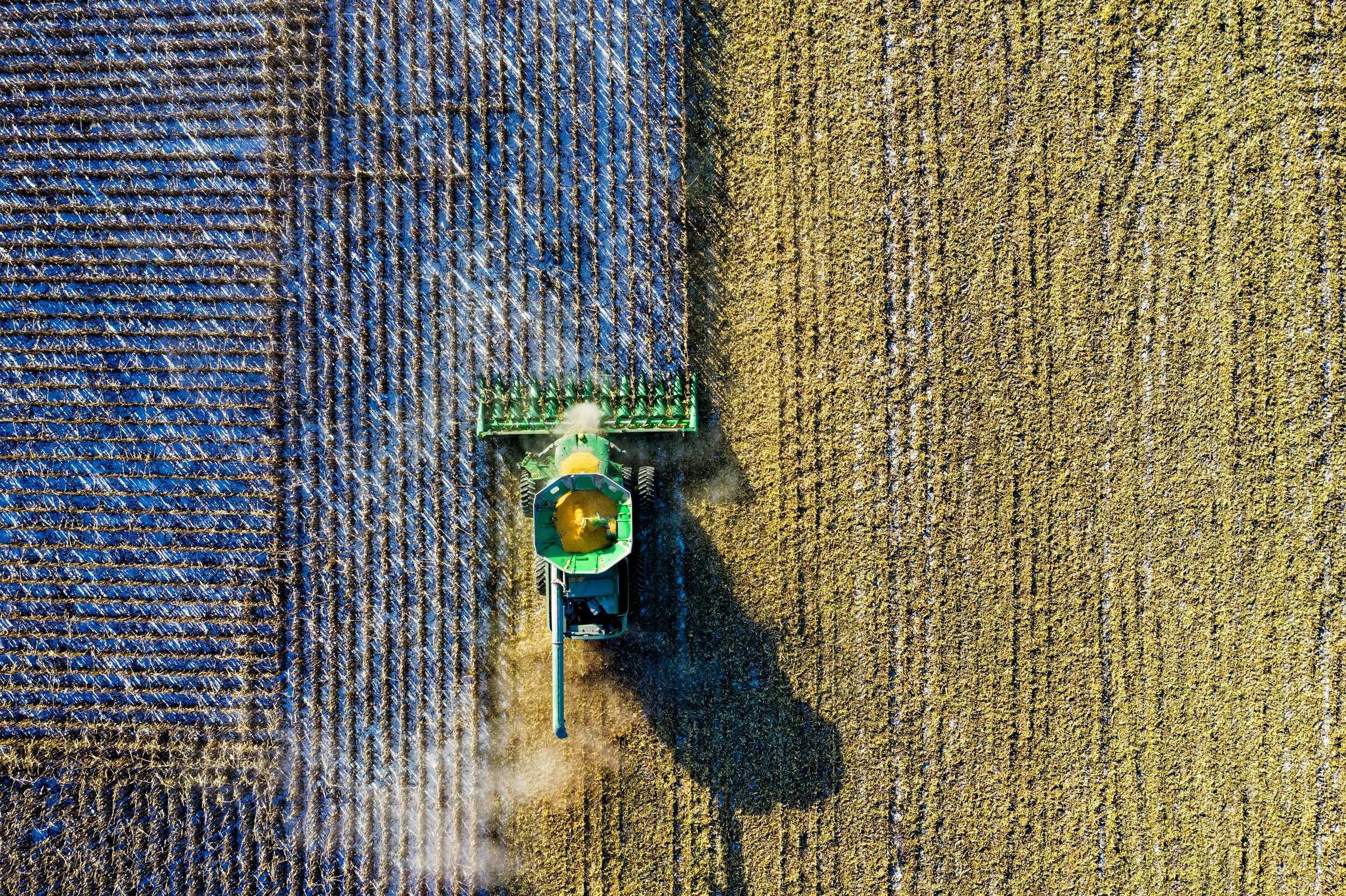
A recent federal analysis, the Southern Plains Drought Assessment 2020‑2025, issued by NOAA’s National Integrated Drought Information System and the Southern Regional Climate Center, found that persistent drought across the Southern Plains significantly impacted crop production, range and pasture quality, and water availability for irrigation, resulting in multi‑billion‑dollar economic losses for farmers and ranchers. These agricultural stresses translate into real consequences for everyday Americans, contributing to growing food insecurity and limiting the availability of fresh, healthy foods for communities across the country.
Furthermore, the USDA (U.S. Department of Agriculture) has also cancelled its “Household Food Security Report” - a report that shows insights into food security levels across the country. These sorts of changes mark a sharp turn away from food insecurity as a main priority in the United States.
Conclusions: The Human Cost of Climate Change
Glacier melt is a direct result of rising global temperatures driven by greenhouse gas emissions. This glacier mass loss has had disastrous effects on global freshwater supplies, threatening drinking water and irrigation for agriculture worldwide.
As policies in many countries shift away from climate-focused initiatives and toward deregulation that favors major corporate polluters, stress on domestic and global agricultural and food systems will only intensify.
2025 marked a turning point in the fight against climate change, highlighting that the health of our food systems cannot be separated from the trajectory of global temperatures.
Moving forward, it is critical to focus on mitigating further harm, adopting more sustainable practices, and deepening our understanding of how the global climate crisis affects communities, crops, and water resources everywhere.